
 EN
EN
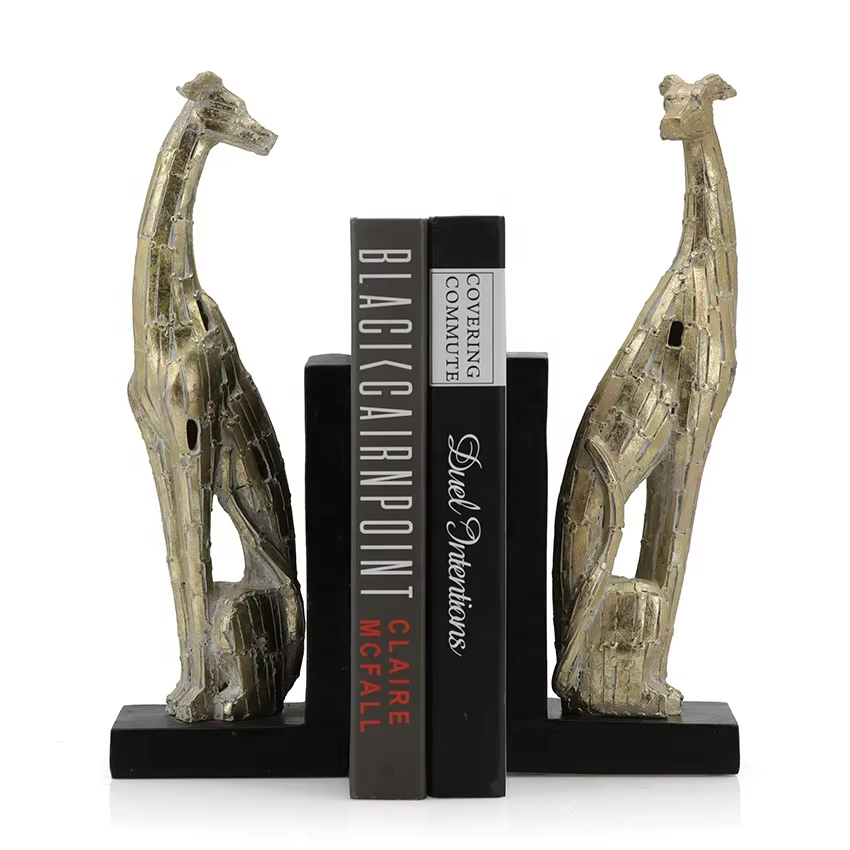
Why Bookends Are More Than Just Shelf Helpers
From utilitarian tool to intentional design element
What started as simple devices to stop books from falling over have become serious design pieces these days. We're seeing this trend across home decor where things that used to just work are now part of our carefully planned looks. People shopping for bookends today care just as much about what they look like as what they do. The latest numbers from the 2023 Home Trends Report show most decorators (around two thirds) actually see them as major style purchases instead of just organizers. That says a lot about how humans attach meaning to ordinary stuff. Good quality bookends do double duty though. They hold shelves together but also act as statement pieces because of their materials and shapes. Some folks even collect different styles from around the world now.
The psychology of weight, symmetry, and visual anchoring in interior spaces
Bookends work with some pretty solid psychology stuff to give us that feeling of order on our shelves. The heavy feel and how they sit facing each other taps into our natural love for things that look balanced and symmetrical, which somehow makes everything seem more stable. Studies in environmental psychology found that when things are arranged symmetrically, people see 42% less clutter than when items just sit around without any structure. What's interesting is this balancing act isn't just good for shelves either. Putting matching pairs somewhere strategic can really highlight collections or special keepsakes we want to showcase. The straight line between those two ends creates kind of a visual anchor point that helps bring together all sorts of different objects into something that looks intentional. Interior designers know this trick too. They place these pairs around open shelving to mark off areas and create nice spacing between items, making the whole display feel more organized and intentional.
Styling Bookends as Decorative Focal Points on Shelves
Creating rhythm with mixed-height arrangements: books, plants, and bookends
Static shelves can become something special when we play around with different heights for our stuff. Mix tall stacks of books with shorter potted plants and throw in some decorative bookends here and there. Try putting some trailing ivy next to those thick hardcover books, and don't forget those cool looking bookends at the ends to hold everything together. When we layer things this way, it adds rhythm to the display without getting boring. Some research actually found that varying heights makes shelves look deeper than they really are, maybe around 40% more depth according to what I've read somewhere. Bookends work great as little breaks between groups of items, giving space for each piece to stand out on its own.
Framing collectibles and personal mementos using bookends as visual bookends
Putting meaningful objects between bookends makes for great little scenes on shelves. Think vintage cameras or ceramic sculptures work really well here. The shelves suddenly become something special when we frame our favorite things this way, almost like bookends are holding space for our stories. When arranging things unevenly, try pairing a big statement bookend with several smaller pieces clustered together. Some studies about how people see spaces suggest these kinds of framed arrangements can actually make objects feel worth about 30% more to viewers. That's pretty interesting if you're trying to showcase collections or just want to give everyday items more presence in the home.
Bookends in Small-Space and Multi-Functional Interior Design
When space is at a premium in small apartments or tiny houses, bookends stop being just things to hold books and become real lifesavers. Studies indicate that making better use of limited space actually lowers stress levels for people living in places smaller than 800 square feet. Bookends help with this because they do triple duty as ways to save space, create visual balance on shelves, and add style to otherwise plain walls. Put them on floating shelves and suddenly those shelves act like invisible room dividers, separating spaces without needing big furniture. Position them strategically on tables and countertops turn into organized spots for stuff we always seem to misplace - remotes, car keys, reading glasses. Marble ones work great framing little potted plants along bathroom windowsills. Heavier metal versions keep cookbooks from sliding around next to cutting boards in tight kitchen spaces. Even oddball spots get organized thanks to bookends. They sort through pens and paper clips in home offices that sometimes have to serve as overnight guest rooms. And who knew? Those same bookends can also prevent towels from toppling over in shallow linen storage areas. What makes bookends so special is how easily they adapt. When life changes and new needs arise, simply move these versatile items around to rearrange entertainment centers, showcase travel souvenirs collected over years, or even hold up tablets during Zoom meetings with family members scattered across the country.
Choosing and Customizing Bookends for Lasting Decor Impact
Material, scale, and finish: aligning bookends with your decor style
When picking out bookends to really spruce up a room, there are three main things worth thinking about. First comes the material choice since this affects how they look and work together. Stone options are great for those who have lots of big books because they're so heavy duty. Brass ones bring a touch of old world charm though. Then there's size matters quite a bit too. Big chunky bookends stand out nicely in large living areas but might overwhelm smaller nooks. Tiny versions fit better on tight shelf spaces without taking over visually. Lastly, what kind of finish works best depends entirely on existing decor styles. Matte ceramic pieces tend to blend right into modern minimalistic setups, whereas wooden variants with visible grain patterns create warmth in country style homes or farmhouse vibes.
| Material | Key Benefits | Best Paired With Decor Styles |
|---|---|---|
| Metal | Industrial strength, modern | Contemporary, Loft |
| Marble | Luxe appeal, temperature stability | Classic, Glam |
| Reclaimed Wood | Eco-friendly, warmth | Farmhouse, Boho |
Manufacturers offering lifetime warranties report 3x longer customer retention, proving material durability directly influences decor longevity.
Budget-friendly DIY options that reinforce brand or personal aesthetic
Old thrift store treasures can be turned into really unique bookends with just a few easy tricks. Try giving mismatched ones a fresh coat of spray paint in matching metallic shades to create that eclectic yet cohesive look, or wrap boring shapes in some rattan to match those nature-inspired spaces people love so much these days. For nursery rooms, kids' building blocks make great themed pairs when stuck together with museum putty. The best part? Making these custom pieces costs less than fifteen bucks each and helps cut down on trash going to landfills. Think about it: craft lovers are actually keeping hundreds of tons of stuff out of garbage dumps every year by turning everyday objects into decorative items for their homes.
FAQ Section
What material is best for heavy books?
Stone bookends are ideal for heavy books due to their durability and weight.
How can bookends enhance visual appeal in small spaces?
Bookends can create visual balance, act as room dividers, and add style without the need for large furniture.
What are some DIY bookend ideas?
Consider using thrift store finds, spray paint, or rattan wrapping to create custom bookends that match your personal aesthetic.
How do bookends help reduce clutter?
Bookends provide symmetry and visual anchoring, which can make spaces appear less cluttered.