
 EN
EN
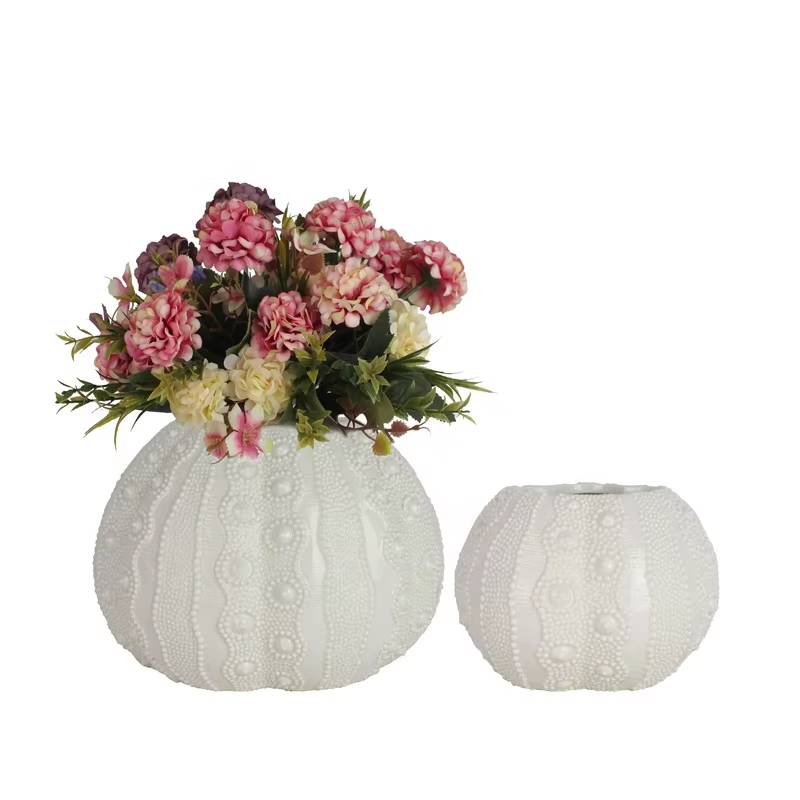
Foundations of Ceramic Vase Arrangement: Scale, Grouping, and Spatial Balance
The Rule of Three and Odd-Number Groupings for Ceramic Vases
Interior designers widely apply the rule of three because odd-number groupings—especially three or five—create natural visual harmony. For ceramic vases, such clusters avoid static symmetry while supporting balanced asymmetry. This guides the eye through intentional focal points without overwhelming the space. Practical applications include:
- Grouping three ceramic vases of varying heights on a mantle
- Positioning five miniature pieces along a bookshelf
- Anchoring a console table with one large vase flanked by two smaller ones
This approach aligns with innate cognitive preferences for rhythmic, uneven compositions—making arrangements feel both deliberate and effortless.
Proportion, Height Variation, and Intentional Negative Space Around Ceramic Vases
Strategic sizing relationships transform ceramic vase displays into dynamic focal points. Varying heights by 30–50% between pieces establishes rhythm and hierarchy, preventing monotony. Allow ample negative space around each vase—at minimum the width of the tallest piece—to honor its sculptural presence. Follow these proportionality guidelines:
| Principle | Application | Effect |
|---|---|---|
| Height variation | Stagger 12", 18", and 24" vases | Creates visual movement |
| Negative space | Maintain 4–6" clearance between pieces | Prevents visual clutter |
| Scale awareness | Match vase size to surface area (e.g., large vase for spacious floors) | Anchors the space |
This methodology avoids overcrowding while celebrating each ceramic vase as an intentional design element—rooted in spatial awareness and compositional discipline.
Strategic Pairing of Ceramic Vases with Key Interior Elements
Mirrors as Reflective Anchors to Enhance Ceramic Vase Displays
Putting mirrors behind ceramic vases really makes them stand out visually because they create more depth, make the space feel bigger than it actually is, and play around with how light bounces off things. When placing these mirrors, angle them so they reflect not just the vase itself but also some of the empty space around it, which transforms plain walls into interesting little scenes. For homes with simple designs, going frameless on mirrors keeps those sleek lines looking sharp. Traditional spaces work better with fancy framed mirrors since the detailed edges match up nicely with handmade pottery styles. The folks at ASID have been saying this trick works wonders for making small decorations look much more impressive without taking up extra room in the house.
Furniture Integration: Styling Ceramic Vases on Console Tables, Shelves, and Mantels
When arranging ceramic vases on furniture, think about how their sizes relate to each other. Console tables work well for grouping three vases at different heights next to lamps, creating interesting layers of light. Shelves look great when we mix vases with books or let some greenery trail down between them, breaking up straight lines and adding that natural flow. Mantels become really special when we place one big vase slightly off center, then balance it with smaller items like candles or stones that follow similar size rules. And remember, don't crowd everything together. Leaving about a third to half empty space around arrangements keeps things looking clean and purposeful instead of cluttered.
Curating Cohesive Scenes: Layering Ceramic Vases with Complementary Decor
Textural Harmony—Pairing Ceramic Vases with Books, Candles, Dried Florals, and Natural Elements
Ceramic vases look amazing when placed next to things that feel different to touch, creating interesting contrasts and adding depth to any space. Small vases work great on top of stacks of books which act as makeshift stands, giving them extra height and those nice soft shapes we all love. For something with movement and a bit of nature's roughness, dried flowers like pampas grass or wheat stalks are fantastic choices. They stand out beautifully against shiny or smooth glazed surfaces. Put some pillar candles near matte finish vases but group them in threes or fives instead of pairs. The warm glow adds texture and makes those surfaces really pop. And don't forget about raw materials from outside world. A piece of driftwood under a vase or river rocks tumbling over the edge brings that outdoorsy vibe inside, making everything feel more connected to real life.
| Element | Role in Composition | Styling Tip |
|---|---|---|
| Books | Height variation & structure | Use muted covers to avoid visual clutter |
| Dried Florals | Organic contrast | Select stems 1.5x vase height for impact |
| Candles | Warmth & dimension | Group in odd numbers near rounded forms |
| Wood/Stone | Natural grounding | Limit to 1–2 pieces per vignette |
This layered approach transforms surfaces into curated moments—not just arrangements, but intentional scenes. Vary object heights and densities to guide the eye, ensuring negative space frames each piece deliberately. The interplay of ceramic vases with complementary textures creates depth while maintaining stylistic cohesion.
Stylistic Consistency: Choosing Ceramic Vases That Align with Your Interior Aesthetic
Choosing ceramic vases that match what's already going on in your home makes everything look better together and really upgrades the whole space. For those modern minimalism lovers out there, go for simple shapes in whites or grays. These clean looking vases fit right into those empty spaces without fighting for attention. Rustic or Mediterranean styled rooms need something warm though. Textured earthenware in terracotta or ochre colors adds that earthy vibe we all crave. The little flaws in these pieces actually remind us of real wood and stone found outside. Bohemian decor styles love those handmade vases with weird shapes and bright glazes that change color depending on light. Each one tells its own story about how it was made. Sometimes contrasting elements work wonders too. Throw a shiny black ceramic vase into a mostly neutral room and watch it become the star of the show. According to most interior design guides, when forms, finishes, and colors line up properly, decorations become part of the overall look instead of just sitting there as separate items.
Frequently Asked Questions (FAQs)
How should I arrange ceramic vases to achieve visual harmony?
Utilize the rule of three or odd-number groupings to create balanced asymmetry in vase arrangement. This helps guide the eye through focal points without overwhelming the space.
What are important considerations for ceramic vase display?
Consider proportion, height variation, and ample negative space to honor the vase's sculptural presence. This prevents monotony and overcrowding.
How do mirrors affect ceramic vase displays?
Mirrors behind vases enhance the visual appeal by creating depth, expanding perceived space, and reflecting light. Angle them to capture the vase and surrounding area for dynamic scenes.
What tips can help integrate ceramic vases with furniture?
Aim to balance vase size with console tables, shelves, and mantels. Leave sufficient space around arrangements to maintain a clean and purposeful look.
Table of Contents
- Foundations of Ceramic Vase Arrangement: Scale, Grouping, and Spatial Balance
- Strategic Pairing of Ceramic Vases with Key Interior Elements
- Curating Cohesive Scenes: Layering Ceramic Vases with Complementary Decor
- Stylistic Consistency: Choosing Ceramic Vases That Align with Your Interior Aesthetic
- Frequently Asked Questions (FAQs)