
 EN
EN
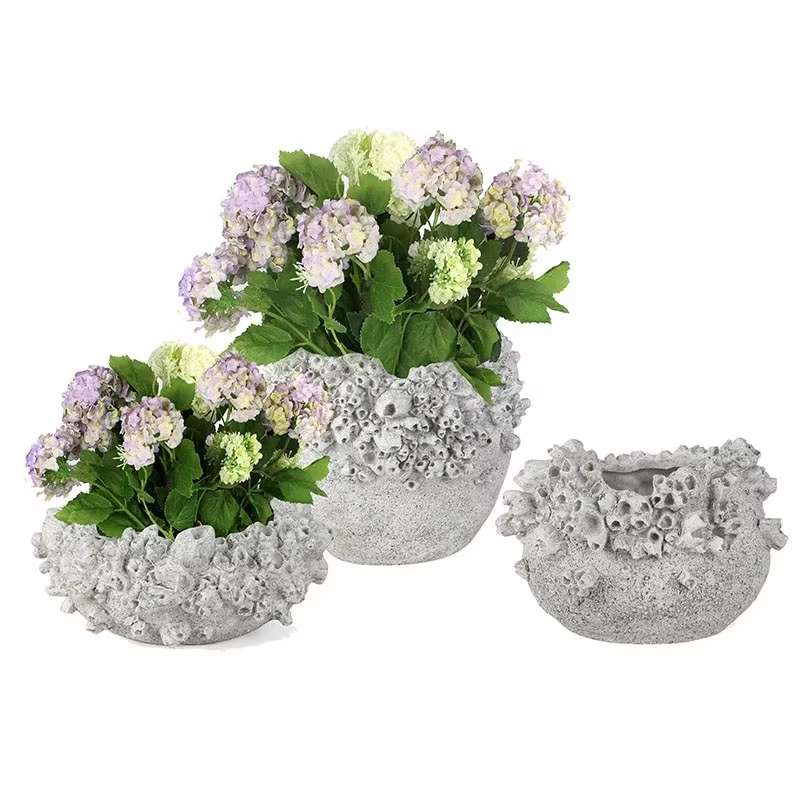
Material Composition and Manufacturing Processes
Chemical and Structural Makeup of Resin Vases
Resin vases come from synthetic stuff like polyurethane or epoxy resins, often mixed with things such as UV stabilizers and plasticizers to get them just right. What this means is manufacturers can really tweak how they look and feel, getting different textures and levels of see-through quality. Plus, these resin products stand up much better to impacts compared to regular ceramic vases. Some tests actually show they're about three times tougher (as found by Ashby and others back in 2004). Another big plus point is that unlike clay or porcelain which soak up moisture, resin doesn't absorb water at all. This makes them great for flowers in places where humidity runs high, like greenhouses or bathroom windowsills where traditional ceramic would eventually start to crack or degrade over time.
Clay-Based Formulation and Firing Process of Ceramic Vases
Making ceramic vases starts with different types of natural clay like kaolin, ball clay, or stoneware. These materials go through something called vitrification when heated between around 1200 to 1400 degrees Celsius. At these extreme temperatures, the silica in the clay actually fuses together creating a hard yet fragile structure. Even though applying glaze makes them more resistant to water, there are still tiny pores left behind. That's why many ceramic pieces need some kind of sealant if they're going to be used outside. The biggest expense comes from firing these items in kilns which takes up about half of what it costs to make them overall. This makes scaling up production tricky when compared with things like resin that can just be poured into molds much more easily.
How Manufacturing Methods Shape Material Performance
| Factor | Resin Vases | Ceramic Vases |
|---|---|---|
| Production Speed | 2–4 hours per batch | 5–7 days including drying/firing |
| Temperature Tolerance | Stable up to 90°C | Withstands 260°C without cracking |
| Customization | Seamless color blending | Glaze variations require recoating |
Resin’s low-temperature molding enables intricate geometries unachievable through wheel-throwing, though ceramics excel in heat-resistant applications. Each material has trade-offs: resin degrades under prolonged UV exposure, while ceramic’s rigidity increases breakage risks during handling.
Durability, Weight, and Practical Handling Compared
Breakability and Impact Resistance: Why Resin Outperforms Ceramic
When it comes to surviving accidental bumps and drops, resin vases really stand out compared to ceramic ones. According to some recent studies from Material Science Today back in 2023, these plastic-like vases can handle impacts anywhere from four to eight times better than their clay counterparts. What makes this possible? Well, the secret lies in their flexible polymer makeup which actually soaks up shocks instead of letting them shatter through like what happens with ceramics that just crack right away when hit. Many store owners have noticed something interesting too – they get way fewer complaints about broken items during shipping when dealing with resin products. Some businesses even mention around 87% fewer problems overall. This kind of durability explains why so many hotels and big event spaces now stock up on resin vases for those busy areas where accidents happen all the time.
Long-Term Wear: Chipping, Cracking, and Structural Fatigue
The problem with ceramic vases is they tend to get tiny fractures when they expand and contract because of temperature changes over time. Resin materials handle this much better, staying strong even when exposed to really cold or hot environments, somewhere around minus 40 degrees Fahrenheit all the way up to 200 degrees. According to some research done recently in 2024 looking at what consumers experience, most people notice their ceramic vases start showing signs of damage like chips or those fine little cracks after just two to three years of regular use. Meanwhile, resin vases last much longer, typically lasting between seven and ten years before needing replacement, assuming they're used in similar everyday situations.
Weight Differences: Lightweight Resin vs. Heavy Ceramic for Display and Shipping
| Factor | Resin Vases | Ceramic Vases |
|---|---|---|
| Average Weight | 0.5–2.3 lbs | 3.5–8.8 lbs |
| Shipping Cost | $2–$5 | $7–$15 |
| Wall-Mount Safety | Low risk | Requires bracketing |
The significant weight difference makes resin ideal for hanging installations, seasonal decor changes, and eCommerce fulfillment where logistics efficiency is critical.
Ergonomic Use in Home, Retail, and Event Environments
Ceramic definitely has its place when something needs to stay put, like on display shelves or in permanent installations. But when things need moving around, ceramic can be a real pain because it's so heavy. That's where resin comes in handy since it weighs about half as much as ceramic does. Florists love this feature because they often need to rearrange displays throughout the day at weddings or in shop windows. The good news is that special UV treated resins won't fade or crack under sunlight either, which makes them perfect for those little cafe tables outside coffee shops. Museum curators have caught onto this too. Many now display valuable historical items using resin copies instead of originals. These replicas hold up against accidental bumps and scratches from visitors who might not realize how fragile some ancient objects actually are.
Aesthetic Flexibility and Design Applications
Surface finishes: Glossy, matte, metallic, and translucent effects in resin vases
Resin offers exceptional versatility in surface treatments—from high-gloss mirror finishes to semi-transparent stained glass effects. Pigments can be infused directly during molding, enabling gradient transitions and metallic flecks that traditional glazing cannot replicate. This adaptability supports light-reflective designs that add depth and dimensionality to modern interiors.
Glazing techniques and natural texture variations in ceramic vases
Ceramic artists apply kiln-fired glazes to create those beautiful crackled, matte finishes or stunning crystalline effects we see on pottery. The colors tend to be warm and earthy, but there's always some unpredictability in the process. A recent study from Craft Materials back in 2023 found something interesting - around one out of every four ceramic batches ends up with unexpected texture changes after firing. These little flaws are actually pretty appealing for folks who love rustic or traditional styles, though they can be a real headache when trying to match colors exactly for modern minimalist spaces or commercial projects where consistency matters most.
Design intricacy and customization potential of resin vs ceramic
The liquid nature of resin makes it possible to create really intricate shapes that just wouldn't work with traditional clay ceramics. Think interlocking parts and super thin walls under 2 millimeters thick something impossible to achieve with standard materials. When manufacturers use those fancy 5 axis machines, they can actually get custom resin molds made within about three days instead of waiting nearly three weeks for regular ceramic plaster molds to set. This faster production time has become a game changer for special edition designer collaborations that are all over the high end home decor scene these days.
Matching materials to interior decor trends: Traditional vs modern aesthetics
Resin works really well in those in-between areas where old meets new style-wise. The stuff can look just like concrete, onyx, or even brushed metal, which is why about two thirds of interior designers these days are going crazy for what they call "material ambiguity." Ceramics still rule the roost in farmhouse and Mediterranean looks though. There's something about the heft and texture of hand thrown pots that tells a story about tradition and family history. That's why we see so many shops switching to resin vases lately. They make those colorful display arrangements much easier than trying to match all those different shades from regular ceramic pieces, which tend to vary quite a bit naturally.
Maintenance, Environmental Resistance, and Longevity
Cleaning Methods and Stain Resistance for Resin and Ceramic Vases
The smooth surface of resin doesn't let stains stick around much, making it easy to clean with just some soapy water. Ceramic without glaze is totally different though. These materials soak up liquids pretty readily and need special sealants applied regularly to stop them from getting discolored. According to research published in the 2023 Material Durability Study, resin surfaces stay looking good even after hundreds of cleanings – specifically over 500 times according to their tests. Ceramics on the other hand have those tiny pores that make them prone to mold and bacteria buildup when they're not completely dry after washing. That's why proper drying matters so much with ceramic materials.
UV and Thermal Tolerance: Performance in Sun-Exposed or Varying Climates
Resin works pretty well across a wide temperature range, from as cold as -30 degrees Fahrenheit all the way up to around 220 degrees Fahrenheit (-34 to 104 Celsius). That makes it a good choice for things used outside. After sitting in the sun for many years though, typically around 8 to 10, the surface might get a bit dull looking. Still, the basic structure stays strong and functional. Ceramics tell a different story when hit by direct sunlight. Their glaze tends to fade within just 2 or 3 seasons, and when there are big temperature swings in the climate, they can crack from thermal shock. Moisture in the air speeds up these problems quite a bit. What sets resin apart is how its makeup actually resists expanding when wet, which helps maintain its shape and performance over time.
Moisture Absorption Risks and Internal Degradation Over Time
Ceramics tend to soak up around 5 to 7 percent of their own weight in moisture from the air each year. This leads to something called efflorescence, which is basically salt crystals forming on the surface and slowly breaking down the material's strength. Resin doesn't have this problem at all because it just won't let water penetrate through. While good airflow helps keep both materials going longer, resin stands out for needing so much less upkeep. Some estimates suggest maintenance expenses drop by as much as three quarters when switching from ceramic to resin products, making it a smarter choice for those looking to cut costs over time.
Cost, Production Efficiency, and Market Value Perception
Raw Material and Labor Costs in Ceramic Vase Production
The ceramic industry really relies on skilled hands for tasks like wheel throwing, applying glazes, and running kilns these activities eat up around 60 to 70 percent of what it costs to make ceramics overall. When looking at materials, good quality clay and glaze can push individual item costs between eight and twelve dollars. But what really makes ceramics expensive is all the labor involved which ends up costing about three times more than if they used resin instead. Most small ceramic studios actually run at about sixty five percent capacity because of those long waits needed for pieces to dry properly and go through the firing process in the kiln. This waiting time creates major bottlenecks that slow everything down.
Mold-Based Scalability and Cost Efficiency of Resin Vase Manufacturing
Resin injection molding achieves 90% material utilization—higher than ceramics’ 75–80%—and enables automated production of 500–700 units daily per machine. Labor costs make up just 18–22% of total expenses, versus 55–60% for ceramics. Production consistency reaches 85–92% for resin due to minimal manual intervention, compared to 70–78% for ceramics.
Why Some Resin Vases Are Priced Higher Than Ceramic: Market Paradox Explained
Despite lower production costs, premium resin vases command 30–50% price premiums by emphasizing innovation—translucent finishes and geometric forms unattainable with ceramics. Brands leverage resin’s customization capabilities to align with modern minimalist trends, creating perceived exclusivity through limited-edition releases even though production is highly scalable.
Consumer Value Perception and Purchasing Trends
Today, 64% of buyers prioritize aesthetic uniqueness over material authenticity, fueling resin’s 12% annual market growth. Yet 38% still pay 20–25% premiums for handmade ceramic pieces, viewing them as heritage investments. This duality shapes market strategy: mass-market resin lines target budget-conscious consumers, while small-batch ceramics serve the luxury gifting segment.
Frequently Asked Questions
What are the main differences between resin and ceramic vases?
Resin vases are lighter, more impact-resistant, and easier to mold into intricate shapes, while ceramic vases are more traditional, heat-resistant, and have a heavier, earthier aesthetic.
How does the durability of resin vases compare to ceramic ones?
Resin vases generally last longer and handle impacts better due to their flexible polymers, while ceramics are prone to chipping and cracking from temperature changes.
Are resin vases easier to maintain than ceramic vases?
Yes, resin vases resist stains and require less maintenance compared to ceramic vases, which can absorb moisture and require regular sealing.
Why might someone choose ceramic vases over resin?
Some people prefer ceramic vases for their traditional and textured aesthetic, as well as their perceived value as heritage investments.
What are the cost differences in producing resin vs ceramic vases?
Resin vases are cheaper to produce due to efficient mold-based production and lower labor costs, whereas ceramics require more skill and time, driving up production expenses.