
 EN
EN
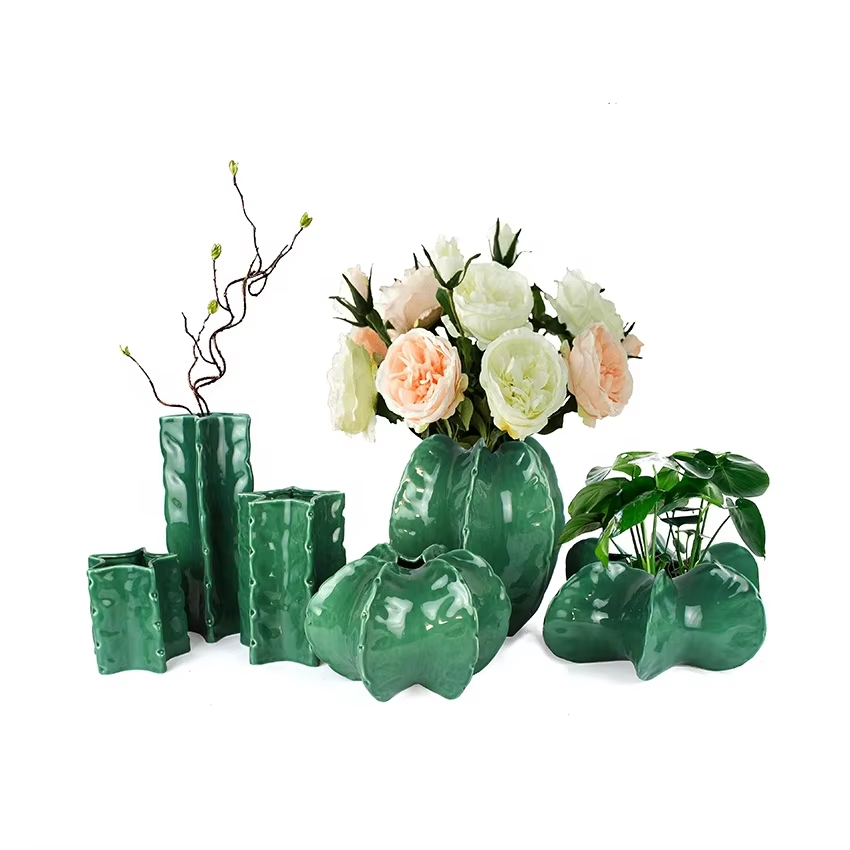
Why Handcrafted Ceramic Vases Stand Apart from Mass-Produced Alternatives
Tactile Imperfection as Aesthetic Signature
Ceramic vases made by hand showcase all those little quirks that factory production wipes away completely. The tiny asymmetries, those faint fingerprints left in the clay, or the way glaze sometimes runs differently from one vase to another? These aren't mistakes at all really. They tell stories about who made it and how they worked with their hands. Machine made stuff looks the same every time, but these handmade pieces have something special going on. When a vase warps just slightly, it catches light in surprising ways. Tool marks show where the artist actually touched the piece during creation. Glaze might be thicker here than there, creating depths we wouldn't expect. People buying art today want to see these signs of the maker's touch. According to the latest Craft Market numbers, around two thirds of buyers mention these visible signs when explaining why they bought what they did. There's science behind this too. Studies suggest that touching handmade items makes us feel connected emotionally in ways looking at pictures just can't match up to. For ceramics especially, those so-called 'imperfections' don't mean poor quality. Instead, they prove the item was truly made by someone rather than some automated process.
Clay Memory: How Firing Variance Creates One-of-a-Kind Surfaces
When clay goes through the firing process, it somehow keeps track of everything that happens to it during those intense heat sessions, especially noticeable in handmade ceramics since no two kiln runs ever turn out exactly alike. Around 1200 degrees Celsius give or take, small changes in air composition inside the kiln create different reactions with the basic clay material, various metal compounds in the glaze mix, and sometimes even bits of natural ash that find their way into the mix. What appears on the finished surface often looks like something straight out of nature itself - flowing marks similar to cooled lava, crystal-like patterns that remind people of minerals growing underground, or intricate networks of cracks formed as things cool down at different speeds. When we reduce oxygen levels during firing, copper starts to show red tones here and there; wood ash tends to build up randomly, creating unexpected glazing effects across the surface. Even minor adjustments to how fast we heat up or let things cool can change how tight or loose the surface feels, altering tiny structural details nobody really sees but everyone somehow notices. Because so many factors come together in unpredictable ways, trying to copy a specific result just doesn't work. That's why every handmade ceramic vase ends up being one-of-a-kind - not only because of what the potter does with their hands, but also because of all the invisible forces working behind the scenes in the kiln.
Ceramic Vases as Cultural Storytellers: Form, Tradition, and Modern Interpretation
Ceramic vases do so much more than hold flowers or liquids. These objects tell stories about who we are as cultures, passing down symbols from rituals, ideas about beauty, and even practical skills through time. Think about those ancient Greek pots covered in scenes from myths, or Chinese Ming dynasty ceramics showing off Confucian values. Each vase carries within it what people valued back then, both in how it looks and what it represents. And today? They're still doing that work. Far from being museum pieces gathering dust, these vessels connect old craftsmanship techniques with new artistic expressions. Artists around the world keep making vases that speak to our current moment while honoring traditions that stretch back centuries.
From Japanese Raku to Moroccan Zellige-Inspired Silhouettes
Ceramic vases carry regional fingerprints that speak volumes about their cultural origins. Take Japanese Raku for instance it loves all things spontaneous and temporary. Those distinctive cracks, sooty black surfaces, and wonky shapes aren't just random they represent wabi-sabi, this whole philosophy around finding beauty in the simple and fleeting moments of life. On the flip side, Moroccan Zellige tiles have taken ancient Islamic design ideas and turned them into something totally modern. The sharp angles, repeating patterns, and geometric precision give these pieces a sculptural quality that stands out. What makes these works special isn't just copying old styles. They show real understanding of materials too like how certain clays behave when fired at lower temperatures, why some glazes turn out dull while others shine, and what keeps those angular or curvy forms standing strong without collapsing. This kind of craftsmanship respects tradition in a way that goes beyond mere imitation it's about smartly rethinking what came before.
Functional Sculpture: Balancing Visual Rhythm with Vase Utility
Today's ceramic artists see vases not just as containers but as sculptures that actually work. Good designs tackle several challenges at once. First they need to balance properly even when shaped in wild ways with long extensions or tilted sides. The openings must be sized right so flowers sit nicely inside while still creating an attractive shape. Surface textures add interest to touch but shouldn't collect water or make cleaning difficult. What results is something special: a piece that stands out visually yet holds flowers perfectly without any issues. This combination goes beyond mere decoration. When someone looks at such a vase, they're seeing the result of careful thinking about both looks and function. The best ones manage to merge these aspects so seamlessly that people forget whether they're admiring art or simply looking for somewhere to put their morning blooms.
The Growing Market Demand for Authentic Handcrafted Ceramic Vases
Global ceramics sales are expected to hit around $14.68 billion by 2029 according to recent industry reports, largely because people want more handmade ceramic vases these days. More and more shoppers seem to be turning away from mass-produced decorations that all look the same. They prefer items that show real signs of being made by hand instead of those factory-made goods. Think about actual fingerprints left behind during creation, tool marks that can be seen on surfaces, or materials that come from specific regions with their own unique characteristics. What we're seeing here goes beyond just buying stuff it's really about bigger ideas too. People care about sustainability now, they value things connected to different cultures, and there's something special about owning something that feels genuinely authentic rather than just another product off the assembly line.
Collector Priorities: 'Visible Maker Intervention' Drives 68% of Purchases
When it comes to authenticity for most collectors (around two-thirds actually), it's not about logos or price tags. What matters are those little signs of the maker's touch: wobbly edges, faint ridges from the wheel, glaze that pools just so, or cracks that look almost planned. Collectors call these marks "visible maker intervention," and they turn ordinary ceramic vases into stories waiting to be told. The numbers back this up too. Home decor spending keeps climbing at about 5.2% per year according to census folks, and handmade ceramics consistently fetch anywhere from 30 to 50 percent more than mass-produced ones. A gallery owner put it best recently: "People aren't buying vases really. They're buying proof of all those late nights the potter spent working on their craft."
Ethical Differentiation: Spotting Genuine Craftsmanship vs. 'Artisanal' Greenwashing
With "artisanal" now widely co-opted as a marketing term, distinguishing true craftsmanship requires informed scrutiny. Authentic handcrafted ceramic vases demonstrate:
- Material honesty: Use of locally sourced, unstandardized clay bodies—not uniform industrial slips masked with "hand-painted" decals
- Process transparency: Evidence of wheel-throwing (subtle concentric rings), coil-building (layered seams), or hand-carving—never mold seams or laser-cut precision
- Sustainable practice: Kilns powered by renewable energy, reclaimed water use, and non-toxic glaze formulations—verifiable through studio disclosures or certifications
Market researchers note that 41% of buyers now investigate production methods after encountering "handmade" claims on pieces exhibiting machine-finished surfaces or unnaturally uniform glazing. This due diligence protects both consumers and ethical artisans—preserving the integrity of craftsmanship in an era of aesthetic commodification.
FAQs
Why are imperfections valued in handmade ceramic vases?
Imperfections in handmade ceramic vases are valued because they showcase the maker's touch, tell a story of the creation process, and provide a unique, personal touch that mass-produced items lack.
What makes each handmade ceramic vase unique?
Each handmade ceramic vase is unique due to the firing process in kilns which can create unpredictable results, alongside the individual techniques and touches applied by the potter.
How do ceramic vases serve as cultural storytellers?
Ceramic vases carry cultural stories through design, technique, and symbolism that reflect cultural values and historical significance, connecting traditional craftsmanship with modern interpretation.
What are the current market trends for handmade ceramic vases?
The market trend is leaning towards an increased demand for authentic, handcrafted ceramic vases due to their originality, cultural connection, and sustainable production compared to mass-produced alternatives.
How can consumers differentiate genuine craftsmanship from 'artisanal' greenwashing?
Consumers can differentiate genuine craftsmanship by looking for signs such as material honesty, process transparency, and sustainable practices, and should be wary of terms like 'artisanal' that are used only as marketing strategies.
Table of Contents
- Why Handcrafted Ceramic Vases Stand Apart from Mass-Produced Alternatives
- Ceramic Vases as Cultural Storytellers: Form, Tradition, and Modern Interpretation
- The Growing Market Demand for Authentic Handcrafted Ceramic Vases
-
FAQs
- Why are imperfections valued in handmade ceramic vases?
- What makes each handmade ceramic vase unique?
- How do ceramic vases serve as cultural storytellers?
- What are the current market trends for handmade ceramic vases?
- How can consumers differentiate genuine craftsmanship from 'artisanal' greenwashing?