
 EN
EN
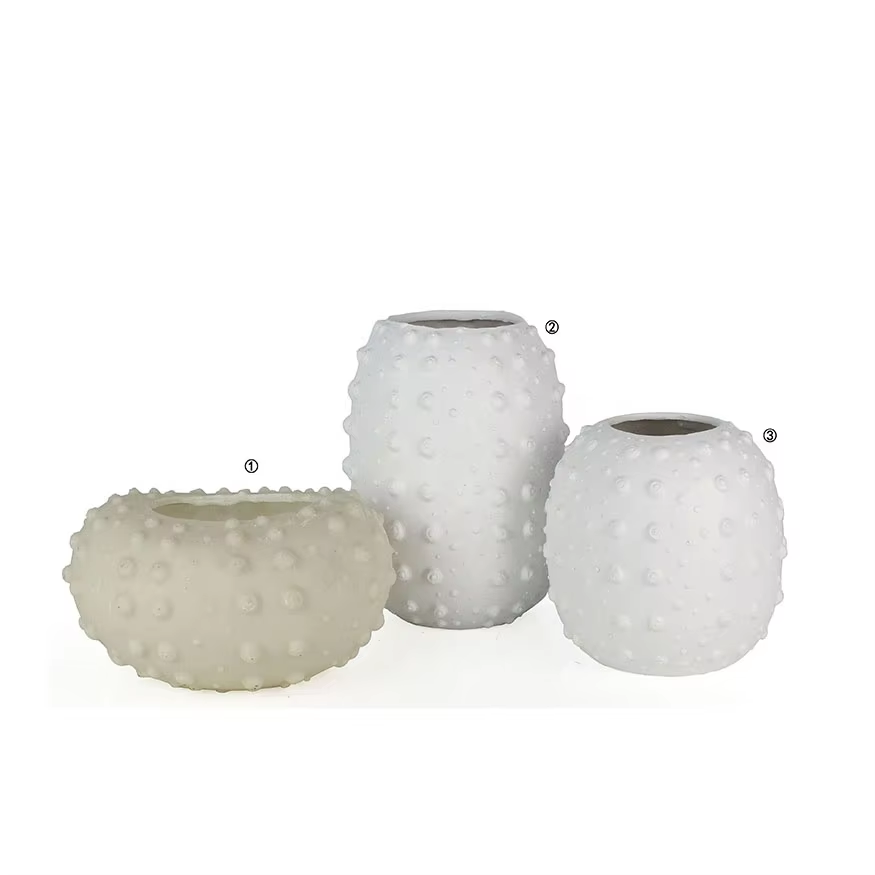
The Design Logic Behind Rustic Ceramic Flower Pots in Farmhouse Aesthetics
Material Authenticity: Why Unglazed, Hand-Textured Ceramic and Terra Cotta Anchor the Farmhouse Look
The rough look of unglazed ceramic and terra cotta flower pots gives them that genuine farmhouse vibe people love so much. These pots have those little bumps and cracks that just happen naturally, plus they feel warm to the touch when placed in sunlight. Because they're porous, air can move through them and moisture gets regulated properly, which helps prevent roots from rotting. Over years outside, minerals from water and weather create unique colors and textures on their surfaces. Craftsmen often press their thumbs into the clay or carve grooves with tools to keep those handmade flaws intact, something that connects back to the Japanese idea of finding beauty in things that aren't perfectly made. Compared to plastic pots, these clay containers actually work better with plants since they let them breathe and stay at stable temperatures thanks to the iron content in terra cotta clay. Made from regular dirt without any fancy chemicals or glazes, these pots fit right into the simple, practical lifestyle many farmhouses represent while also being kinder to the environment.
Color Palette Harmony: Earth Tones, Matte Finishes, and Natural Variations in Ceramic Flower Pots
Ceramic flower pots in earth tones fit right at home in farmhouse settings because they don't try too hard to stand out. The colors work their magic - think those soft terracotta shades mixed with gray that looks like old stone, or that sage green that reminds one of dried grass after rain. These pots have this way of blending in without disappearing completely. Their matte finish doesn't glare back at us like shiny things do, which makes them sit nicely next to rough wooden tables or baskets made from twisted fibers. What many might see as imperfections are actually what makes these pots special. Little bits of iron in the clay create tiny rust spots here and there, while differences in how they were fired give each piece its own unique color story, almost like watercolor paintings on clay. This kind of variation keeps things from feeling too samey, creating layers of interest even among neutral tones. Group several together and watch how they tell different stories side by side, none exactly alike but somehow belonging together anyway. That's what gives farmhouse decor its authentic charm.
Strategic Placement and Styling of Ceramic Flower Pots Across Farmhouse Spaces
Entryway, Kitchen Counter, and Porch: High-Impact Zones for Ceramic Flower Pots
The entryway really sets the mood for a home. A good idea is to put down a nice sized terra cotta pot without glaze next to the front door. Something with hanging ivy works great, or maybe some fragrant jasmine plants would be lovely too. For kitchen counters, it's all about finding that sweet spot between useful and pretty. Group together two or three smaller pots made from unglazed clay filled with herbs we actually cook with like rosemary, thyme, or mint. Position them close to those sunny southern windows where they can get plenty of light while still being within reach when cooking. Porch areas need plants that can take a beating though. Place matching ceramic pots at either end of the steps or along the railing somewhere. Lavender bushes work well here, so do boxwoods or even some decorative grasses that sway in the wind. What makes these spots special isn't just how they look, but how they fit into daily life. Each container becomes part of the space rather than just sitting there as decoration.
Grouping Techniques and Scale Principles for Visual Balance with Ceramic Flower Pots
When arranging ceramic flower pots, try going with odd numbers like three or five instead of even ones. This creates a better rhythm and keeps things from looking too stiff. Play around with different heights too. Put a taller pot at the back, then medium ones in front, followed by some shorter ones. It makes everything look more natural and layered. Think about using the thriller-filler-spiller method when planting. Tall upright plants such as yucca or dracaena work well in those big pots. Medium sized flowers like marigolds or zinnias fit nicely in the middle sized containers. For the smaller bowls, something that spills over works great, maybe creeping Jenny or ivy. Keep an eye on size proportions so nothing looks out of place. A good rule is to make sure no single pot takes up more than about two thirds of whatever surface it sits on. Mix up the textures too. Pair smooth matte ceramics with rough stuff like bark mulch, wooden trays, or jute mats. Just remember to stick with similar earthy colors throughout the arrangement to maintain that warm, cohesive feel everyone wants in their garden space.
Sustainability and Storytelling: Vintage, Repurposed, and Handmade Ceramic Flower Pots
From Thrift Finds to Artisan-Made: How Sourcing Shapes Authenticity in Farmhouse Decor
Real farmhouse style isn't really about being brand new stuff but more about having a story behind it. When people hunt for old ceramic flower pots, they're tapping into this whole tradition. Look at those vintage finds - sometimes there's little cracks in the glaze, mineral buildup from years of watering plants, or just weird shapes that no modern factory would ever make. Handmade pots show their maker's personality too. Maybe the bottom wobbles a bit, or the walls are thicker on one side than another, or there's some fancy carving nobody else does anymore. These things can't come out of machines. Buying used ceramics helps cut down on trash going to landfills, and getting stuff made nearby means fewer trucks driving around burning fuel. But beyond all that practical stuff, every pot has its own tale. Found something at a flea market? It probably belonged to someone who lived on a farm somewhere in Iowa back in the day. Got a stoneware pot from a local artist? That clay might have come right out of the ground in Appalachia. Looking for these kinds of pots turns ordinary planters into conversation starters that say something about where we come from, how we think about our stuff, and what kind of craftsmanship we value.
Practical Considerations: Durability, Drainage, and Plant Compatibility for Ceramic Flower Pots
When picking out ceramic flower pots for farmhouse decor, there are three main things to consider that affect how long they'll look good and whether plants will thrive. The first thing is how durable the pot actually is. This comes down to what it's made of and how it was fired. Unglazed terra cotta tends to handle those winter freeze-thaw cycles outdoors better than cheaper earthenware that hasn't been fired properly. High quality stoneware works great inside because it doesn't chip as easily. Next up is drainage, which really can't be ignored. If a pot doesn't have holes in the bottom, we need to put gravel underneath or use removable liners so water doesn't just sit there. Succulents and Mediterranean herbs hate sitting in wet soil, and most problems with these plants come from bad drainage. Then there's porosity matching plants' needs. Pots that are porous and unglazed dry out faster, making them perfect for plants that don't like much water. On the flip side, glazed or sealed pots hold onto moisture longer, which works well for tropical plants like calatheas or ferns that prefer damp conditions. Also remember to get the right size pot. Too big means plants might drown since extra soil creates stagnant areas. When hunting for vintage pieces, applying a food safe sealant inside helps stop minerals from leaching out while keeping the old charm intact and allowing the pot to breathe naturally.
FAQ Section
1. Why are ceramic and terra cotta pots popular in farmhouse decor?
Ceramic and terra cotta pots are popular due to their authentic, rustic appearance and natural imperfections, which fit well with the farmhouse aesthetic. Their porous nature allows plants to breathe, and they regulate moisture, preventing root rot.
2. How do earthy color tones contribute to the farmhouse style?
Earthy color tones, like terracotta, old stone gray, and sage green, blend naturally into farmhouse settings without overpowering other elements. These colors add depth and uniqueness through their matte finishes and natural variations.
3. What are the best practices for styling ceramic pots in farmhouse spaces?
Strategic placement involves using ceramic pots in entryways, kitchens, and porches with complementary plants. Grouping in odd numbers and varying heights creates visual balance, while matching textures and earthy colors enhances cohesion.
4. How does sourcing contribute to the authenticity of farmhouse decor?
Sourcing vintage and handmade ceramic pots adds authenticity by connecting to their past stories and craftsmanship. These pots often have unique imperfections, reducing landfill waste and fuel consumption through local sourcing.
5. What practical considerations should be made when selecting ceramic pots for farmhouse decor?
Consider durability based on materials and firing, ensure good drainage to prevent water stagnation, and match pot porosity with plant water needs. Proper sizing prevents plants from drowning or soil from stagnating.
Table of Contents
- The Design Logic Behind Rustic Ceramic Flower Pots in Farmhouse Aesthetics
- Strategic Placement and Styling of Ceramic Flower Pots Across Farmhouse Spaces
- Sustainability and Storytelling: Vintage, Repurposed, and Handmade Ceramic Flower Pots
- Practical Considerations: Durability, Drainage, and Plant Compatibility for Ceramic Flower Pots