
 EN
EN
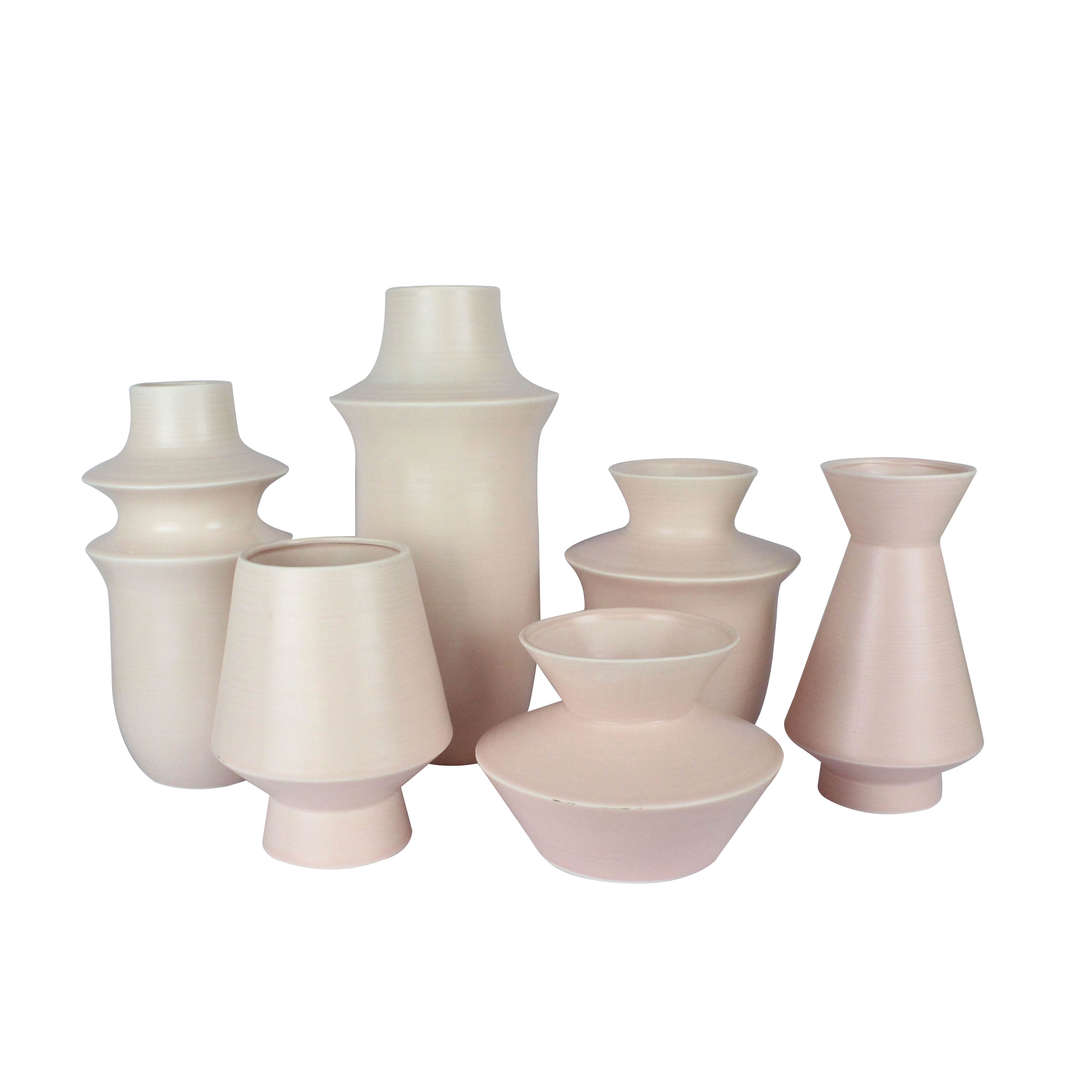
Why Small Ceramic Flower Pots Excel on Window Sills
Space-Smart Design for Limited Horizontal Surfaces
Little ceramic flower pots work great on those tight window sills where there just isn't much room to spread out. They don't stick out too far which matters a lot when dealing with shallow spaces in city apartments. Plus, ceramic itself is pretty heavy stuff so these pots sit lower to the sill, making them less likely to tip over when the wind blows through or someone brushes past accidentally. Getting the right balance between how big they are and how heavy makes it possible to fit several plants on one small ledge without everything looking crowded or messy. When picking out pots for actual planting, look for ones around 4 to 6 inches deep. That gives roots enough room to grow properly while still fitting most standard window sills that measure somewhere between 4 and 8 inches wide. What we end up with is something practical yet attractive that brings life into tiny living spaces without taking over valuable real estate.
Ceramic’s Natural Thermal Mass and Drainage for Sunny, Variable Microclimates
Ceramic works really well in those hot, unpredictable window spots because of its ability to store heat and manage water properly. The material takes in warmth during the day and slowly lets it out at night, which helps keep soil temperatures from jumping around so much that plant roots get stressed out. This matters a lot for plants sitting near drafty areas or facing south where sunlight hits hardest. What about drainage? Unglazed ceramic actually pulls extra water away through tiny holes in the clay, giving roots better air circulation and cutting down on rot problems. Glazed pots hold onto more moisture though, so they work better when placed somewhere dry. Compared to plastic containers that trap heat or metal ones that get super hot, ceramic just doesn't build up excessive temperatures. For gardeners wanting stable growing conditions all season long, combining ceramic pots with good quality potting soil and picking plants that match their environment makes maintenance much easier over time.
Well-Being Benefits of Eye-Level Greenery in Daily Routines
Putting those little ceramic pots right at eye level on windowsills brings a bit of greenery into our everyday lives, which helps clear the mind, builds emotional strength, and just makes people feel calmer overall. Studies have found that seeing live plants regularly can actually cut down stress and anxiety levels according to some recent findings from Mindfulness Research last year. Watering them now and then, giving them a trim when needed, or simply turning them around so they get even light all creates these tiny moments of focus that ground us in the present. For folks living in cities where concrete seems to take over everything, having plants nearby fights off that tired eyes feeling from screens, freshens up the air inside, and adds warmth to cold, hard spaces. Ceramic pots work great for this because they last forever, don't need much attention, and look really nice sitting there quietly. Even in apartments with barely any room, anyone can enjoy these healing effects of growing things.
How to Choose the Right Small Ceramic Flower Pots for Your Sill
Critical Dimensions: Matching Pot Footprint, Depth, and Overhang to Sill Type
Before purchasing, measure your sill's usable width and depth—not just its visible surface. Prioritize three functional dimensions:
- Footprint: Select pots whose base fits fully within the sill, allowing ≤1" overhang per side to ensure stability. On sills under 5" wide, cylindrical or tapered shapes offer the most secure fit.
- Depth: Match pot depth to plant needs—3–4" for shallow-rooted succulents and cacti; 6–8" for herbs like basil or parsley. Maintain at least 1.5x clearance between the pot rim and window glass to avoid condensation damage and allow airflow.
- Weight capacity: Most wood or vinyl sills safely hold up to 15 lbs when evenly loaded. Opt for lighter, thinner-walled ceramics—or verify manufacturer weight specs—to avoid strain. For stone or marble sills, add non-slip rubber pads beneath pots to prevent scratching and slippage. Always test stability with a fully watered pot before permanent placement.
Glazed vs. Unglazed Ceramic: Moisture Retention Trade-Offs for Light Exposure
Your window’s orientation dictates the ideal finish:
- Glazed ceramic retains ~40% more moisture than unglazed (Journal of Horticultural Science, 2023), making it ideal for high-evaporation zones like south-facing windows. Its non-porous surface resists mineral buildup but requires functional drainage holes to prevent saturation.
- Unglazed terra cotta promotes evaporation and oxygen exchange via micro-pores—drying soil ~30% faster—suited to east/west exposures or moisture-sensitive plants like lavender and rosemary. In low-light north-facing windows, pair unglazed pots with a moisture meter to avoid under-watering, as visual cues become less reliable.
Top-Rated Small Ceramic Flower Pots for Stability, Style, and Plant Health
The best small ceramic pots out there are really the result of smart design thinking that brings together function, looks, and what plants actually need to thrive. Most good brands focus on heavy bottoms and short heights so these pots won't tip over easily, which matters a lot when placed on those windy balconies or high windowsills. They still manage to hold enough soil inside for plants with shallow roots though. When it comes to style, most people gravitate toward matte finishes in earth tones, rounded edges, and simple shapes that fit right into modern apartments without shouting for attention. About three quarters of the highly rated pots have raw clay insides and carefully made drainage holes too. These aren't just there for show either. The lack of glaze lets excess moisture escape properly, and those drilled holes make sure roots get enough air even when humidity levels fluctuate indoors. Gardeners who choose these kinds of pots tend to find their plants last longer and require less maintenance overall, which is why so many folks keep coming back to them for their balcony gardens.
Ceramic Flower Pots in Modern Urban Living: Trends, Durability, and Sustainability
Market Shift Toward Compact, Handcrafted Ceramic Planters (2024 Insights)
People living in cities are really pushing the trend towards smaller handmade ceramic planters in 2024, with sales going up about 40% compared to last year. Limited space means folks are valuing tiny green plants more than ever. The unique textures and slight differences in how each piece looks and feels meet a real need for something authentic in home decor these days. These ceramic pots aren't just pretty either they last forever when made right. Good quality ceramic can handle decades of use without breaking down from sunlight or temperature changes, unlike those cheap plastic options we all know. Plus, ceramic regulates temperature naturally which helps plants thrive even when room conditions fluctuate throughout the day. Looking at it through an environmental lens makes sense too since ceramic comes from minerals, can be fixed if damaged, and doesn't turn into toxic waste at the end of its life. This isn't just about interior design preferences anymore it shows how city dwellers are combining practicality, care for the planet, and appreciation for quality workmanship in their small living spaces.
FAQ Section
Why are small ceramic flower pots ideal for window sills?
Small ceramic flower pots are perfect for window sills due to their space-smart design and heavyweight, preventing them from tipping over easily. They fit well in limited horizontal spaces and provide a practical yet attractive setting for plants.
What is the benefit of using glazed versus unglazed ceramic pots?
Glazed ceramic pots retain more moisture, making them suitable for high-evaporation zones like south-facing windows, while unglazed terra cotta pots promote evaporation and are ideal for moisture-sensitive plants in east/west exposures.
How can ceramic flower pots improve well-being?
Ceramic flower pots placed at eye level on windowsills invite greenery into daily routines, which can reduce stress and anxiety, freshen up air, and add warmth to living spaces.