
 EN
EN
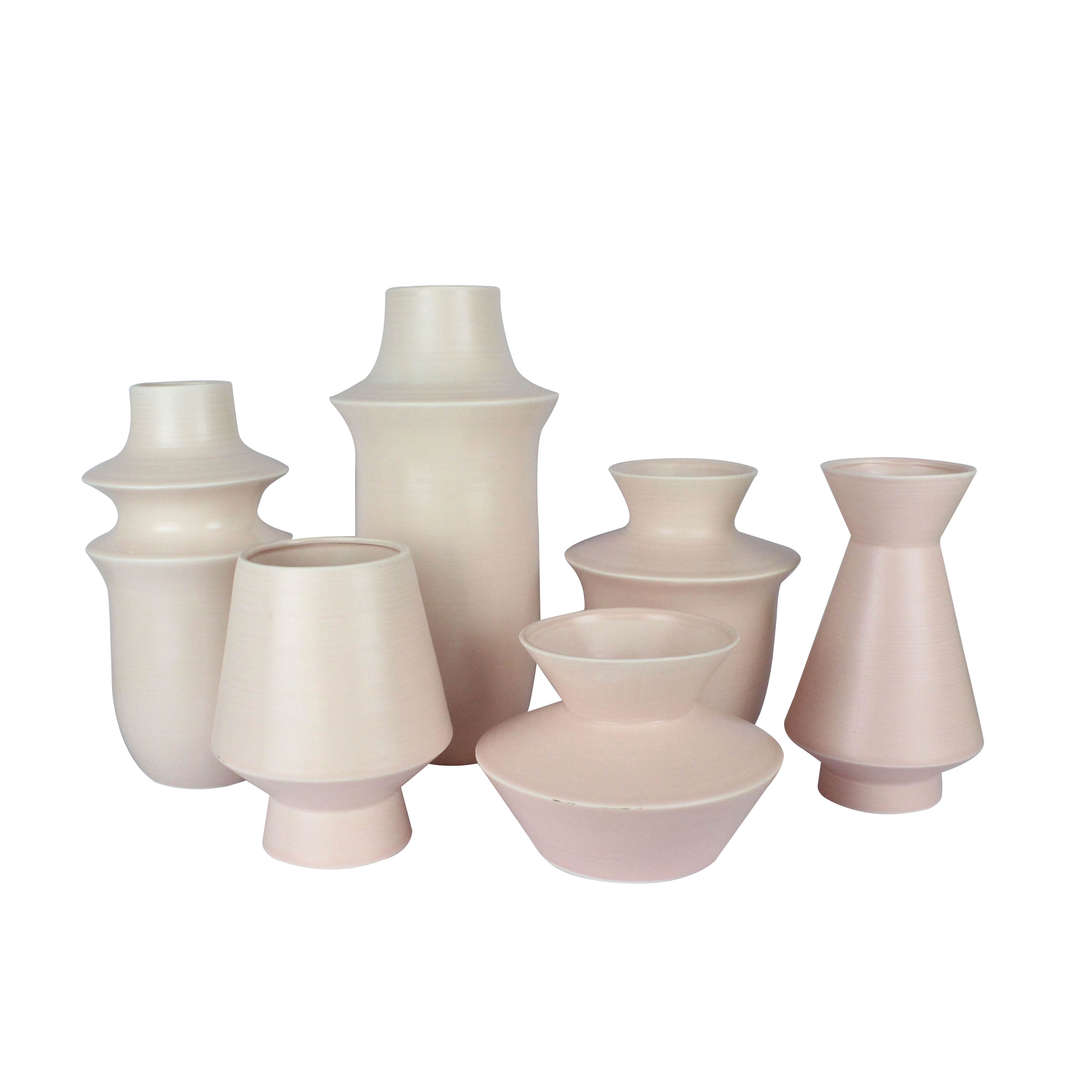
Why Ceramic Flower Pots Excel for Succulent Health
Porosity and Root Zone Breathability: How Unglazed Ceramic Prevents Rot
Ceramic flower pots that aren't glazed have this amazing quality where they let air and water move through them just right for succulent roots. The tiny holes in these pots work like little breathing vents, letting extra water escape through the sides instead of sitting around and causing problems. Waterlogged soil is basically the number one enemy when it comes to keeping those desert plants healthy. Regular plastic or metal pots don't do this at all. Unglazed ceramics actually mimic what happens naturally in the wild for these plants that are used to dry conditions followed by occasional rain. After someone waters their succulents, the clay itself pulls some moisture away from the roots over time. This helps keep things aerated properly and cuts down on fungus issues too, all while still holding its shape pretty well even with regular use.
Thermal Stability: Ceramic’s Insulating Effect Against Temperature Stress
The thermal properties of ceramic pots help protect succulents from extreme temperature swings. Thick clay walls soak up sunlight during the day and slowly give off warmth at night, so roots don't get shocked by sudden changes. Gardeners know this matters a lot for plants like Echeveria that struggle when their soil gets too hot, typically showing signs of stress once temps hit around 80 degrees Fahrenheit. Studies have shown that ceramic containers keep root temperatures about 15 to 20 percent steadier than those flimsy plastic ones on hot summer days. This stability helps maintain proper cell function in the plants while also reducing how much water evaporates away, which makes all the difference in unpredictable outdoor conditions where temperatures can fluctuate wildly between morning and evening.
Glazed vs. Unglazed Ceramic Flower Pots: Matching Form to Function
Moisture Dynamics: Evaporation Rates and Drainage Control by Surface Type
Ceramic without glaze works wonders for managing moisture because of those tiny pores throughout the material. The evaporation rate goes up about 25 to 30 percent compared to what happens in glazed pots. What this means practically is that the soil doesn't get too wet, which is bad news for succulents since damp conditions lead to rot problems. Glazed containers definitely hold water better and cut down on how often someone needs to water plants, but there's a catch. They stop water from slowly moving through the sides of the pot, so gardeners have to be really careful about when and how much they water. Drainage holes matter for all kinds of pots, sure, but only unglazed ones let moisture escape in two different ways at once through both the holes and the actual walls themselves. For people living in dry areas or working with soil mixes that drain quickly, glazed pots might work okay sometimes. Still, nobody wants their plant roots sitting in stagnant air, so proper airflow remains absolutely critical no matter what kind of container gets chosen.
Aesthetic Flexibility vs. Horticultural Trade-Offs in Glazed Finishes
Ceramic pots with glaze open up all sorts of design opportunities thanks to their bright colors and smooth surfaces that look great both inside homes and outside gardens. But there's a catch when it comes to plants. The glossy coating doesn't let air pass through properly, which means water stays in the soil longer than it should. Even those matte or satin finishes still don't breathe as well as regular terracotta pots do. If someone wants healthy plants over time, they should go for unglazed ceramics, particularly important for plants that hate too much moisture like Graptopetalum or Sedum species. Glazed pots work better for tougher plants that can handle dry conditions, think about Lampranthus or Delosperma types. These need to be placed somewhere sunny where the air dries things out quickly enough to make up for what the glaze lacks.
Optimizing Ceramic Flower Pots for Real-World Succulent Environments
Indoor Use: Managing Low Light and Humidity with Breathable Ceramic
When it comes to growing succulents indoors, unglazed ceramic pots really stand out because they tackle those pesky problems of stale air and fluctuating humidity levels. The clay material actually draws extra moisture away from plant roots, which cuts down on root rot risks about 30% more than regular plastic or shiny glazed pots would in most homes according to research published last year in Horticultural Sciences Journal. For best results, position these pots no further than three feet from southern windows where plants can get plenty of sunlight. The natural way clay evaporates water helps maintain proper soil moisture levels between watering sessions, something especially helpful for plants that don't need much light such as Haworthia and Gasteria varieties.
Outdoor Use: Mitigating Rain Exposure and Sun-Induced Thermal Shock
When placed outside, ceramic really shows off its ability to handle temperature changes, but it needs good drainage planning to work properly. The material holds heat well which helps prevent damage from sudden temperature shifts caused by afternoon sun exposure. However, standing water is still a big problem for these pots. To keep things flowing freely after heavy rains, lift ceramic containers just a bit off the ground surface using small feet or even old bricks underneath them. Gardeners in dry areas might want to go for unglazed options since they let moisture escape faster after watering or rainfall. Those dealing with lots of humidity should consider glazed pots filled with equal parts regular potting mix and something gritty like perlite or sand to help excess water drain away quicker. Don't ever block those drainage holes at the bottom or set pots straight onto bare earth though, because both approaches defeat what makes ceramic so great in the first place.
Frequently Asked Questions (FAQ)
Why are unglazed ceramic pots better for succulents?
Unglazed ceramic pots allow better airflow and moisture control, preventing root rot and mimicking the natural environment of succulents.
Do glazed ceramic pots work for all plants?
Glazed pots are better for plants that can handle dry conditions, but they may retain moisture too much for moisture-sensitive succulents.
How do ceramic pots help with temperature regulation?
Ceramic pots provide thermal stability by absorbing sunlight and gradually releasing warmth, protecting plants from temperature stress.