
 EN
EN
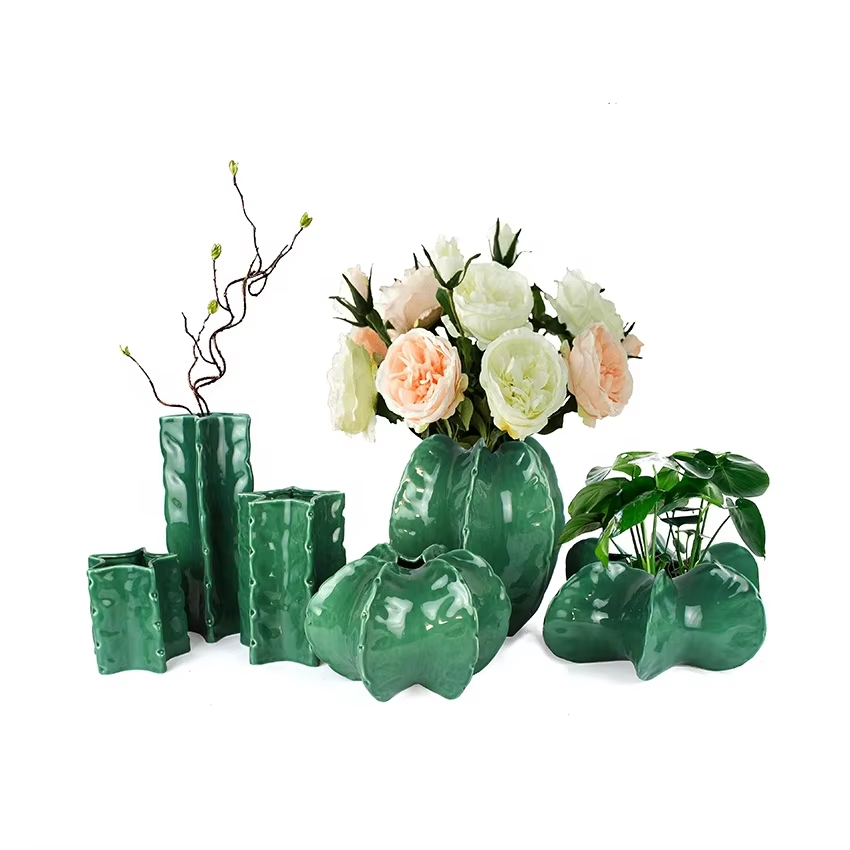
Ceramic Vases as Intentional Sculptural Objects
Form, Glaze, and Texture as Primary Aesthetic Drivers
When ceramic artists focus on shape, glaze choices, and surface textures rather than what the vase will hold, they transform ordinary containers into true works of art. Sharp angles really grab viewers' eyes, whereas flowing lines seem to move and feel softer somehow. The way matte glazes soak up light makes shapes appear bigger and more mysterious compared to shiny surfaces that bounce light around the room and make spaces feel livelier. Surface details matter a lot too. Unglazed areas where the clay shows through give off an earthy vibe, while patterns made by combing or carving guide how people look at the piece. Those special crackle effects that look like they've aged for decades just add another layer of interest. All these aspects work together so that anyone looking at the vase sees the object itself as the main attraction, not whatever might be sitting inside it.
Curating Ceramic Vases in Minimalist and Contemporary Interiors
Ceramic vases really stand out in minimalist interiors without creating any mess. Putting one big vase on a console table makes all the difference for an entryway area. When arranging them together in similar colors but different heights on a gallery wall, they create interesting patterns between the empty spaces. Modern rooms love playing with contrasts too. Think about placing a rough handmade stoneware vase next to shiny metal or glass furniture pieces. This creates a cool conversation between materials. Many designers now see these vases as sort of guides for how people move around open spaces or soften harsh angles in architecture. What makes them special is how easy they are to incorporate into changing decorating styles over time. They become lasting parts of interior design instead of just passing trends that get tossed aside after a season or two.
Creative Non-Floral Fillers for Ceramic Vases
Natural Fillers: Dried Grasses, Twigs, and Foraged Elements
Pampas grass and bunny tail varieties bring in those lovely soft lines we all love. Birch branches or willow twigs stand tall and proud, adding height without shouting too loud. When I gather pinecones, lotus pods, maybe some acorns from around the yard, they tell their own little stories while costing nothing at all. These kinds of natural additions keep spaces feeling warm to the touch even when everything else looks pretty controlled. Who says peaceful spaces have to be full of flowers? Sometimes just knowing what works together makes all the difference.
Conceptual & Textural Accents: Stones, Paper Art, LED Strips, and Fabric
Vases with wide mouths transform into stages for abstract arrangements. River rocks sit beside cut open geodes, resting there with a certain weightiness. Handmade paper rolls, tightly wound, or pieces of linen hanging loose bring in those intentional flaws and gentle textures. Porcelain that lets light through or stoneware so thin it almost looks fragile works really well when combined with hidden LED lighting. These containers then become these subtle light fixtures - simple designs without flowers, yet creating quite a mood. What matters here is how the shape of the vase actually enables creative exploration rather than just holding things in place.
Practical Repurposing of Ceramic Vases Beyond Decoration
Ceramic vases do more than just sit pretty on a shelf. The heft of these pieces makes great bookends too, keeping those heavy cookbooks from toppling over while giving any bookcase some real visual interest. Around the kitchen counter, folks often stick wooden spoons and whisks inside them, sometimes even holding fancy sea salts that came from somewhere exotic. Bathrooms look nicer when cotton swabs and those little bamboo brushes live in ceramic jars instead of getting lost in drawers. Desktop organization gets a boost too with pens and markers neatly stored in these sturdy containers. What I love most is how durable they are for busy spots like front hall tables where keys and letters pile up all day long. These versatile little containers find their way into so many parts of life that we hardly notice them anymore, becoming part of our everyday routines rather than just holiday decorations.
Strategic Styling and Placement for Maximum Impact
Context-Aware Placement: Entryways, Shelving, and Tablescapes
Where something sits really matters for how it's perceived, even if there aren't any flowers involved. Think about entryways first. Putting one striking vase on a console table makes a big difference right away. People form opinions in about seven seconds when they walk in, so getting this spot right is super important. When arranging shelves, mix up the height of books and other items to create some rhythm. Leaving space between things lets each object stand out better, showing off textures and shapes that might otherwise get lost. Table settings work similarly. Try placing small vases next to candles or alongside burlap runners to add depth and interest. Research suggests mantels placed at eye level catch attention about 68% more than those positioned elsewhere according to studies in spatial design. A good trick is to put heavier decorative items closer to the edges of surfaces and keep lighter ones towards the middle. This helps balance everything visually without feeling forced or artificial.
| Placement Zone | Key Technique | Visual Effect |
|---|---|---|
| Entryways | Singular statement piece | Creates instant focal point |
| Shelving | Height-varied grouping | Adds rhythmic movement |
| Tablescapes | Layered composition | Builds depth and sophistication |
FAQ
What are some creative non-floral fillers for ceramic vases?
Natural fillers like dried grasses, twigs, and foraged elements such as pampas grass and bunny tail varieties; conceptual and textural accents like stones, paper art, LED strips, and fabric can be used.
How can I incorporate ceramic vases into a minimalist interior?
In minimalist interiors, stand-alone ceramic vases on console tables or varied groupings of them on gallery walls can create patterns and attract attention through contrast and texture.
What are some practical uses of ceramic vases beyond decoration?
Ceramic vases can be repurposed as bookends, utensil holders, bathroom organizers, and desktop storage containers.