
 EN
EN
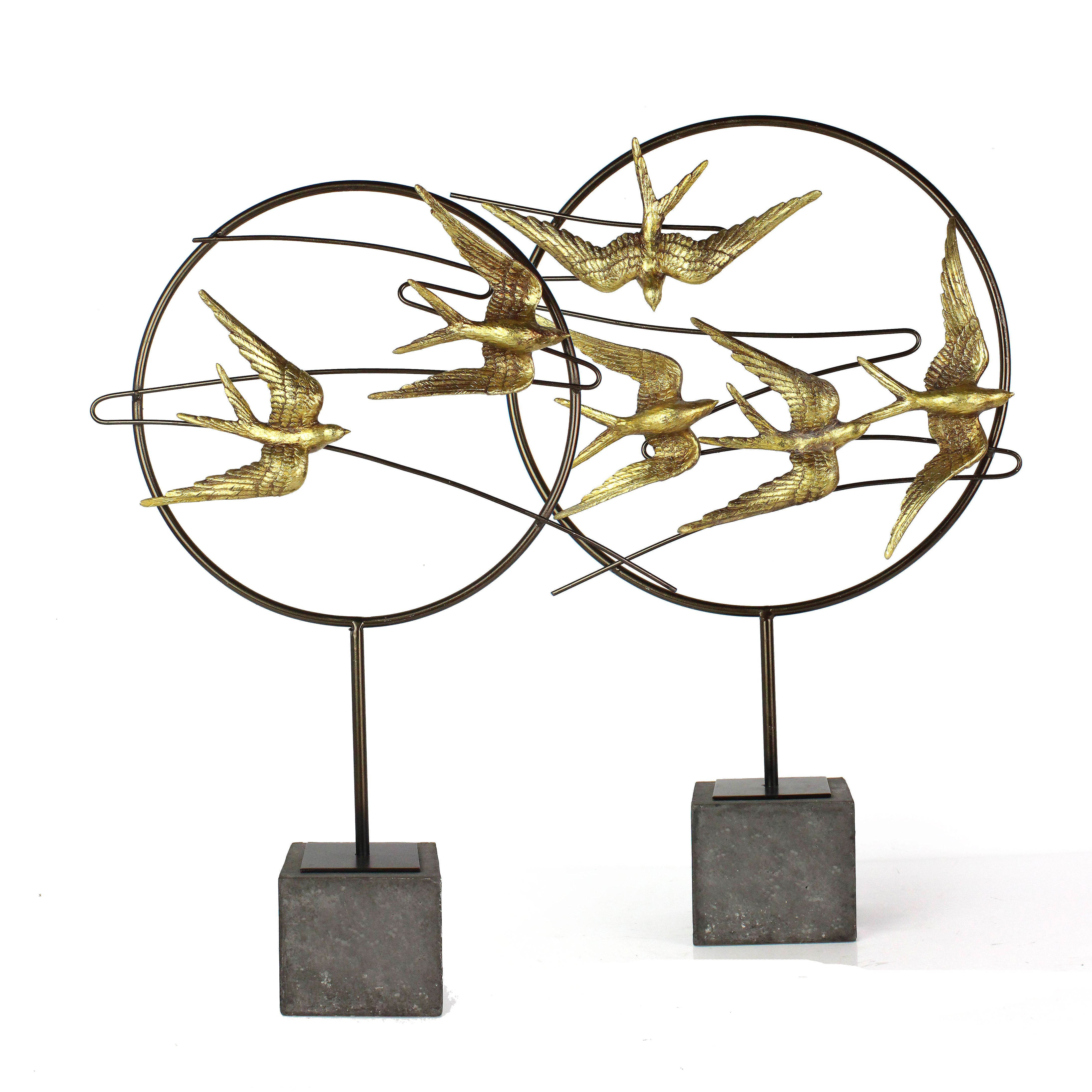
Why Small Sculpture Ornaments Are Transforming Modern Tabletop Decor
Tiny sculptures are changing how people style their tables by combining art with practical design. These little pieces do more than just look pretty; they actually become the centerpiece of a room's arrangement while telling stories about whoever owns them. Most of these small works measure around 12 inches or less, which means they fit nicely on coffee tables, sideboards, and bookshelves without taking up too much space. Interior designers point to several reasons why these miniatures have become so popular lately. First, people want one-of-a-kind stuff rather than factory-made decorations; about 77% of homeowners said originality matters most when furnishing their homes last year according to surveys. Second, there's this growing slow living trend where folks spend time carefully choosing what goes into their spaces. And third, contemporary decorating styles prefer things that feel good to touch instead of just looking sleek. New materials make these small sculptures even better. Resin lets artists create detailed plant shapes, and clay gives off that warm, earthy vibe we all love. Place them thoughtfully; maybe put three abstract shapes together next to some coffee table books and suddenly ordinary surfaces come alive with character. What we're seeing here isn't just another passing fad; it represents a shift in thinking where decorative objects aren't tacked on at the end but are essential parts of interior design that reflect both culture and personality.
Key Design Impacts:
- Narrative Integration: Sculpture ornaments convey personal stories, like travel mementos or cultural symbols
- Spatial Harmony: Their modest proportions maintain visual balance in minimalist schemes
- Tactile Engagement: Textured finishes invite touch, contrasting smooth surfaces like glass or marble
- Flexible Styling: Easily rotated seasonally to refresh spaces without redesign
The shift toward sculpture ornaments reflects design’s growing emphasis on meaning over mere aesthetics, turning tabletops into curated galleries of personal significance.
Resin vs. Ceramic Sculpture Ornaments: Material Impact on Aesthetics and Longevity
Resin sculpture ornaments: Precision, versatility, and tabletop-friendly durability
Resin sculptures are really good at picking up fine details, which makes them great choices for complicated designs such as flower patterns or geometric shapes. They're also much lighter than ceramic versions, usually about 30 to 50 percent less heavy, so there's less risk of damaging surfaces when moving them around. Newer resins don't chip or fade easily either. Some tests have found that these materials can handle impacts three times better than ceramics if something falls off a table, according to data from recent studies. The range of finishes available adds to their appeal too. Options include everything from rough textured looks similar to stone all the way to shiny metal finishes, letting these pieces fit right into almost any decorating style without standing out awkwardly.
Ceramic sculpture ornaments: Tactile warmth, artisanal character, and display presence
Ceramic sculptures have this amazing texture and weight that just can't be matched by other materials. The slight differences in glaze and those little handmade quirks really show the artist's touch and make each piece unique. These ceramics are pretty dense too, around 1.8 to 2.5 grams per cubic centimeter, which means they sit nicely on display surfaces without tipping over easily. Sure, they need gentle handling, but over time these high fired ceramics develop this beautiful patina that tells a story all its own. Some research actually shows people tend to look at ceramic art for about 20 to maybe even 40 percent longer than other types in galleries. That's probably because of how they reflect light and create such rich visual depth when viewed from different angles.
Strategic Styling: Placing Sculpture Ornaments for Balanced, Gallery-Worthy Tabletops
Mastering the placement of small sculpture ornaments transforms tabletops from functional surfaces into curated art displays. Thoughtful positioning creates visual harmony while allowing each piece to command attention without overwhelming the space.
The rule of three and focal-point layering with small sculpture ornaments
When arranging decorative sculptures, going for odd numbers works wonders, especially when grouping them in threes. There's something about this setup that creates a rhythm for the eye, making everything look lively but still harmonious. The trick is leaving enough space between items so things don't get too crowded. Pick one standout piece to put front and center maybe on a simple wooden base or stacked art books, then surround it with smaller pieces at different levels. Recent research from interior design folks showed that mixing heights makes artwork seem more artistic around 47% more according to their findings than just laying everything flat. To create depth in the display, place those bigger resin or ceramic sculptures further back while putting delicate bronze bits up front where they catch light nicely. Every angle should feel part of the whole arrangement rather than competing against each other.
Contextual pairing: Matching sculpture ornaments to table function and room energy
When choosing decor for tables, think about what they're meant for and how they fit into the space around them. Formal dining tables work best with neat arrangements of simple ceramic items that don't block views across the table. Coffee tables tell a different story though. They look great with those interesting resin sculptures people actually want to touch and move around. Living rooms need something eye catching since there's so much going on there. Abstract art pieces really stand out in these spaces. Bedrooms should have calmer vibes, so go for round objects in soft colors instead. Don't forget where people walk either. Keep fragile stuff off the edges of tables in spots where folks tend to bump into things. And pay attention to lights. Metal decorations reflect light well, making dark corners feel brighter without needing extra lamps.
Curating a Cohesive Collection of Sculpture Ornaments Over Time
Creating something really special takes thought and planning, not just grabbing whatever catches your eye. The first step is finding what ties everything together. Maybe it's about materials like ceramics or resins, or perhaps certain looks such as abstract designs or things inspired by nature. Some people collect based on how they feel when they see the items - maybe calmness or fun vibes. When there's a central idea running through the collection, each new addition actually fits better with what already exists. According to some research on how displays work, folks who slowly build their collections around specific themes over periods of six to twelve months tend to end up with arrangements that look 40 percent more put together compared to those buying randomly whenever they spot something nice.
Consider these refinement principles:
- Scale progression: Introduce smaller pieces initially, gradually incorporating statement ornaments (under 12" height) as focal points
- Material dialogue: Pair matte ceramic sculptures with polished resin counterparts to create textural conversations
- Negative space: Allow 3–5 inches between pieces to let each ornament "breathe" and claim its visual territory
Changing things up with the seasons keeps everything fresh. Summer's bright resin decorations give way to cozy autumn ceramics, but it makes sense to keep about two or three neutral items throughout the year as anchors. Keeping track of what gets bought works wonders for turning this hobby into something meaningful. Just scribble down when things were purchased, what inspired the buy, and where they might go best in the space. Over time, what starts as simple decoration becomes something much more personal. Each sculpture or ornament ends up telling a story, connecting with memories and moments that matter.
FAQ
What are the advantages of using resin for sculpture ornaments?
Resin offers flexibility in design, capturing fine details in sculptures. It is lighter than other materials like ceramic and provides durable resistance against chips and fading, making it ideal for high-traffic areas.
Why do people prefer ceramic sculptures for decoration?
The appeal of ceramic sculptures lies in their tactile warmth and handcrafted uniqueness, which add artisanal charm to any space. Their weight and the patina they develop over time enhance their visual depth.
How can I style sculpture ornaments in my home?
Following the rule of three in arrangements and focusing on odd numbers helps create visual rhythm and interest. Using a mix of materials and heights can create layers of artistic display that guide the eye across a room.
What should I consider when curating a collection of sculpture ornaments?
Think about a theme or material focus for your collection. Gradually building your collection allows for more thoughtful curation, resulting in a cohesive and meaningful display.
Table of Contents
- Why Small Sculpture Ornaments Are Transforming Modern Tabletop Decor
- Resin vs. Ceramic Sculpture Ornaments: Material Impact on Aesthetics and Longevity
- Strategic Styling: Placing Sculpture Ornaments for Balanced, Gallery-Worthy Tabletops
- Curating a Cohesive Collection of Sculpture Ornaments Over Time
- FAQ