
 EN
EN
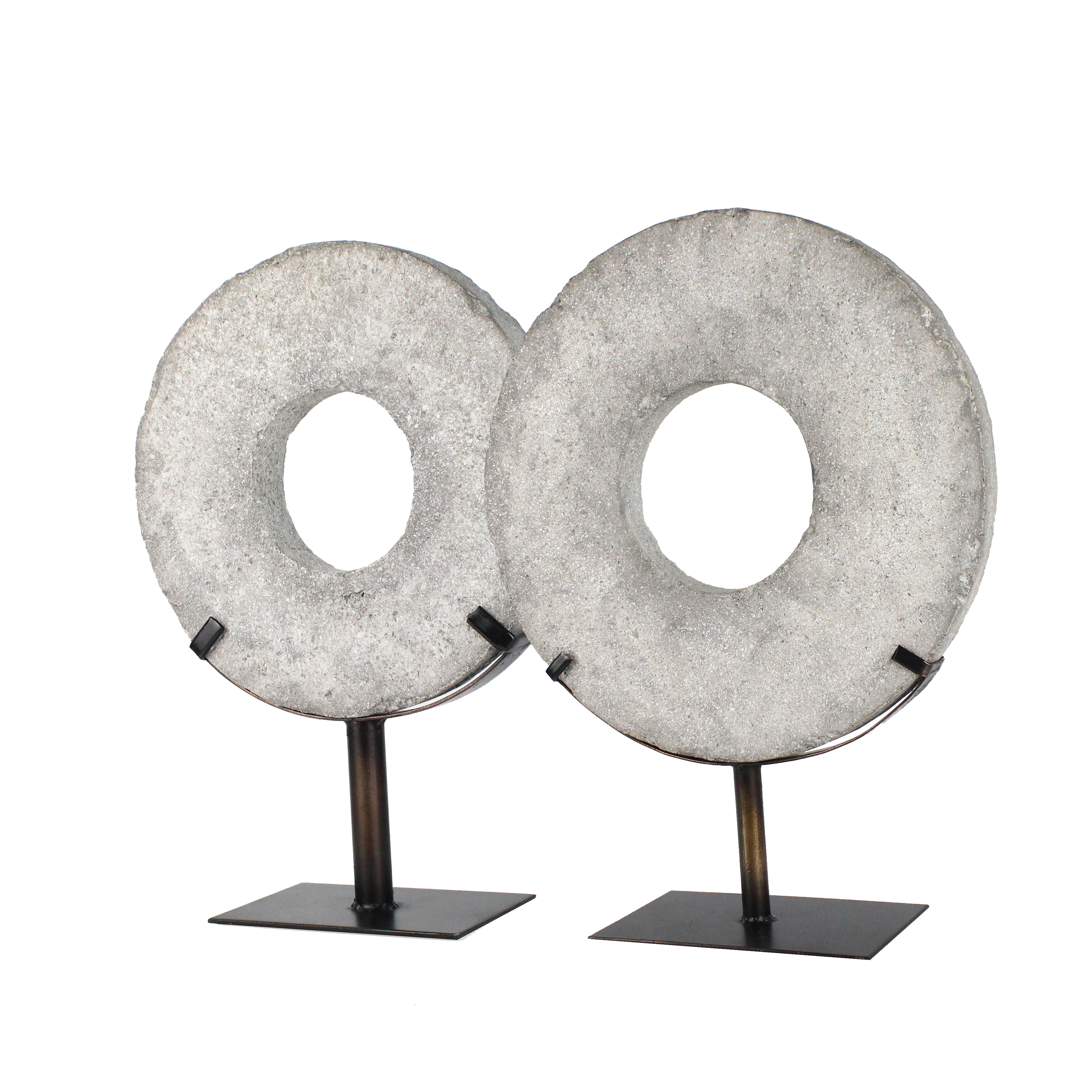
Stone Sculpture Ornaments: Durability, Tradition, and Environmental Resilience
Granite and Marble: Premium Stone Options for Permanent Outdoor Sculpture Ornaments
When it comes to lasting outdoor sculptures, granite and marble remain top picks because they combine beauty with strength that stands the test of time. Granite has this special structure made from quartz and feldspar that really holds up against weathering, freezing temperatures, and even abrasion from wind and sand. That makes it great for places where conditions are tough like near the ocean or mountain areas exposed to harsh winds. Marble is different though. It's not as hard since it's mostly calcium carbonate, but what it lacks in hardness it makes up for in how beautifully light plays across its surface and how easy it is to carve intricate details especially for those classic human figures we see so often in art museums. The downside? Marble doesn't handle acid rain well so it needs regular protection treatments. But if properly cared for, instead of breaking down, it actually gains character over time developing that elegant aged look many people find appealing. Both materials allow artists to create both bold reliefs and subtle carvings. Granite keeps those sharp lines and textures intact for hundreds of years while marble changes gradually as it ages. Studies looking at old granite monuments show that in cooler regions these works can last over two centuries with hardly any maintenance needed, which explains why granite continues to be the go to material for important historical sculptures around the world.
Sandstone and Limestone: Cost-Effective Alternatives with Distinct Weathering Behavior
Sandstone and limestone are great choices when looking for materials that age predictably over time. Sandstone has a grainy structure from its sedimentary origins, making it easy to carve detailed textures and layered shapes without much resistance from tools. Limestone, on the other hand, tends to be more uniform in composition, allowing for smoother details and finer work. As they age, sandstone often wears away unevenly, with softer parts disappearing first to create interesting contour lines. Limestone changes color through a process called carbonation, slowly turning into a warm grayish tone. Neither material works well everywhere though. Limestone holds up pretty well in dry areas or places with steady humidity levels, but watch out for cold climates where ice can form inside the stone's pores and cause damage. Sandstone isn't so good either in consistently damp environments or near the ocean where salt air gets into those bedding planes and causes them to peel apart. If placed correctly (like standing upright to let rainwater run off) and checked regularly for issues, both types can last anywhere from 50 to 100 years. That makes them solid long term investments for projects where budget matters or specific site conditions need consideration.
Metal Sculpture Ornaments: Structural Strength and Evolving Surface Aesthetics
Stainless Steel vs. Corten Steel: Choosing Based on Corrosion Resistance or Patina Intent
Stainless steel and corten steel basically take opposite approaches to design one wants something that lasts forever, the other embraces change over time. Stainless steel gets its resistance from a chromium-nickel mix that creates a protective oxide layer on the surface. This means it rarely corrodes even when exposed to saltwater, city air pollution, or damp climates. Most people find they barely need to clean stainless steel installations for years maybe just a quick wipe down once in a while which cuts maintenance costs by around three quarters compared to regular carbon steel options. Corten works differently though. The steel contains copper, chromium, and phosphorus that actually encourage rust formation. Within about six to eighteen months, a stable reddish-brown coating develops across the metal surface. Once this happens, the steel stops deteriorating and becomes stronger too thanks to controlled oxidation processes. Many sculptors and landscape designers specifically pick corten steel because they love how the material changes appearance over time. The gradual development of color tells a story about weather exposure and environmental interaction making these pieces particularly suited for farm settings, industrial parks, or nature reserves where the history of the material itself adds meaning beyond mere aesthetics.
| Comparison Factor | Stainless Steel | Corten Steel |
|---|---|---|
| Surface Evolution | Minimal change | Dynamic rust patina |
| Maintenance | Low cleaning | None after stabilization |
| Ideal Setting | High-salinity/humidity | Rustic/earth-toned spaces |
Bronze and Brass: Time-Honored Casting Metals for Detailed, Long-Lived Sculpture Ornaments
When it comes to detailed cast sculptures, bronze and brass just can't be beat. They offer incredible detail accuracy, solid construction, and last for ages. Let's talk about bronze first. Most bronze is around 90% copper mixed with 10% tin. When left outside, it develops that greenish layer called verdigris patina from exposure to air and weather. Artists actually plan for this effect, as seen in iconic works like the Statue of Liberty. This green coating protects the metal underneath while adding depth and texture to the artwork. Even small details like faces and fabric folds stay visible through the centuries because of this natural protection. Brass, which combines copper and zinc, has a warmer color palette and flows better during casting processes. It tends to darken naturally to those rich amber brown tones unless someone applies a protective sealant. What makes these metals special is how they handle temperature changes and vibrations without cracking, unlike fragile materials such as stone or pottery. Plus there's the environmental angle worth mentioning. Studies indicate that more than 95% of old bronze pieces still hold together after two hundred years or so. That speaks volumes about why many artists continue using these traditional materials in today's sustainable art world.
Modern & Organic Sculpture Ornaments: Lightweight, Sustainable, and Context-Sensitive Materials
Wood and Clay: Handcrafted Warmth with Climate-Dependent Longevity
Wood and clay bring something special to decorative sculptures that just can't be replicated elsewhere, although they need careful handling to last long. The way wood looks depends on its grain pattern, how dense it is, and what kind of natural oils are present in each piece. Hardwoods such as teak or black walnut actually get better looking over time, developing a nice sheen and stability. But watch out for sudden changes in humidity levels, because these can cause cracks, warping, or even structural problems unless proper sealants are applied and the pieces are kept somewhere protected. Clay sculptures, especially those made from high fire stoneware or vitrified ceramic, have this wonderful texture and interesting variations in glaze colors. However, clay's porous nature means it tends to crack when exposed to freezing temperatures outside. Both materials work best inside buildings or under covered areas where temperature fluctuations aren't so extreme. Their ability to break down naturally, lower environmental impact during production, and genuine handmade quality really fits well with modern sustainable design approaches. To keep them looking good for years, place wooden items away from direct sunlight and store clay pieces somewhere dry most of the time.
Fiberglass, Resin, and Recycled Composites: Engineered Flexibility for Custom Indoor and Sheltered Outdoor Sculpture Ornaments
Fiberglass, UV stabilized resins, and various recycled composite materials give artists something really special when it comes to creating sculptures. These materials allow for big, light weight pieces with incredible details that just wouldn't work using traditional methods. Take fiberglass for instance. It has amazing strength compared to how much it weighs, which means artists can create those cantilevered shapes and massive spans without needing huge foundations underneath. The advanced resins we use today don't turn yellow or chalky even after sitting outside under cover for over 25 years. They keep their colors vibrant and maintain all those tiny surface details that make the artwork stand out. Recycled composites are pretty cool too. Often made from old plastic bottles, leftover wood fibers, or even industrial waste products, these materials take what would otherwise end up in landfills and turn them into strong, stable surfaces perfect for indoor displays or semi-outdoor spaces like garden pergolas and courtyard installations. Sure, they aren't great if left directly in sunlight for extended periods because that does speed up the breakdown process. But as long as there's some protection from rain, wind wear, and temperature extremes, these materials perform exceptionally well. Studies show that when composites contain more than 70 percent recycled material, they cut down on landfill waste by almost 90 percent compared to new plastic options. So basically, being innovative doesn't have to come at the expense of environmental responsibility.
FAQ Section
What are the main benefits of using granite and marble for outdoor sculptures?
Granite and marble are highly preferred for outdoor sculptures due to their durability and aesthetic appeal. Granite offers excellent resistance to weathering, freezing, and abrasion, making it ideal for harsh environments, while marble provides intricate detailing opportunities and a beautiful light play on its surface.
How do sandstone and limestone sculptures age over time?
Sandstone and limestone age predictably over time. Sandstone tends to wear away unevenly, creating interesting contour lines, while limestone changes color through carbonation, slowly turning into a warm grayish tone. Both materials can last between 50 to 100 years when placed correctly and regularly checked for issues.
How do stainless steel and corten steel differ in terms of surface aesthetics?
Stainless steel remains mostly unchanged due to its corrosion resistance, offering minimal maintenance, while corten steel develops a dynamic rust patina over months, adding historical and aesthetic value to a sculpture when exposed to environmental elements.
What makes bronze and brass ideal for detailed cast sculptures?
Bronze and brass are ideal for detailed sculptures due to their ability to accurately capture intricate designs and their environmentally durable nature. Bronze develops a protective verdigris patina, whereas brass offers attractive warm amber tones and handles temperature changes without cracking.
Why are wood and clay suitable for modern sustainable sculptures?
Wood and clay are suitable for sustainable sculptures due to their natural breakdown, low environmental impact during production, and handcrafted quality. Wood features developing aesthetic appeal over time, while clay offers interesting texture and glaze variations but needs protection from extreme temperature changes.