
 EN
EN
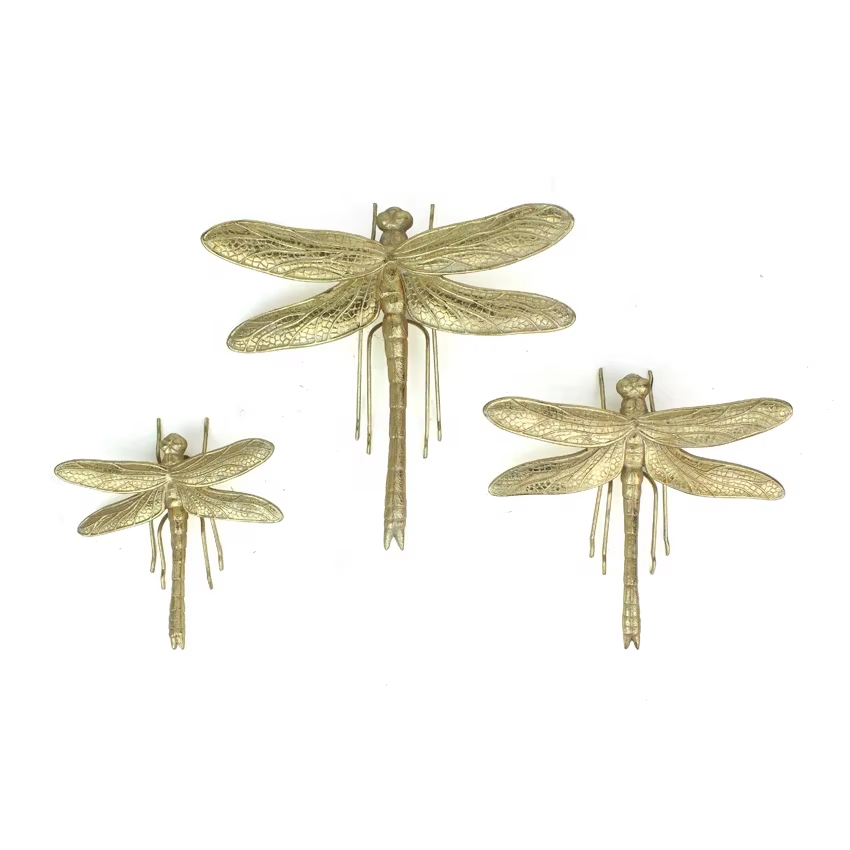
How Peel-and-Stick Technology Enables Effortless Wall Decoration Replacement
Pressure-Sensitive Adhesive Design and Surface Compatibility
Pressure sensitive adhesives, or PSAs for short, are what make those peel and stick wall decorations work so well. Unlike traditional glues that need chemicals to cure or take hours to dry, these special stickers just stick when pressed firmly against surfaces. When someone applies good solid pressure to the back of a decal, it creates an instant bond that holds pretty reliably too. Most folks find they work great in normal home environments where temperatures stay between about 50 degrees and 90 degrees Fahrenheit. Industry tests from last year showed this temperature range doesn't affect their sticking power much at all, which makes sense given how most people use them around the house.
Getting good stickiness depends heavily on what surface we're dealing with. For best results, the surface needs to be clean, smooth, and not too porous. Works great on things like walls painted with latex or acrylic paint, shiny ceramic tiles, glass panels, and metal that's been enamel coated. Before applying anything, give the area a wipe down with rubbing alcohol to get rid of those pesky invisible oils and gunk that can mess things up later. Steer clear of rough textured walls, newly painted surfaces (wait at least a month before sticking anything on them), and matte paints with little sheen unless extra pressure is applied during installation. These surfaces just don't hold on well and tend to come loose over time. The whole process has been tested plenty of times and allows for several removals even after something's been hanging there for years without harming whatever was underneath.
Performance on Common Wall Surfaces: Painted Drywall, Tile, and Smooth Finishes
Peel and stick decorations work really well on all sorts of home surfaces. For painted drywall, which is what most people have inside their houses, these stickers stick firmly for about five years. When it's time to take them off, they come away clean without damaging the paint underneath because they bond at the surface level rather than going through it. Glazed tiles are another good option since the material bends right around those tricky grout lines without any air pockets or edges coming loose. And when applied to glass, the finish stays crystal clear and doesn't leave behind any sticky stuff after being removed.
Performance metrics from the Adhesive Science Institute (2023) highlight this reliability:
| Surface Type | Average Adhesion Strength | Removal Residue Incidence |
|---|---|---|
| Painted Drywall | 1.2 N/cm² | <2% |
| Glazed Tile | 1.5 N/cm² | 0% |
| Tempered Glass | 1.8 N/cm² | 0% |
Satin and semi-gloss paint finishes yield the strongest, most reusable bonds; matte finishes benefit from longer application pressure (60+ seconds per section) to maximize contact. The technology also tolerates humidity up to 70% RH—making it suitable for kitchens, bathrooms, and other high-moisture zones without compromising integrity.
Maximizing Replaceability: Best Practices for Removal and Reapplication
Avoiding Adhesive Fatigue—Temperature, Age, and Surface Prep
Adhesive longevity depends heavily on environmental conditions and installation discipline. Temperature extremes accelerate degradation: studies show a 40% drop in performance above 85°F (30°C), while sustained humidity over 60% weakens bond integrity. For maximum reusability:
- Install within 60–80°F (15–27°C) and at <45% relative humidity
- Clean walls thoroughly with isopropyl alcohol before application
- Plan for replacement after 18–24 months of continuous use—beyond this, adhesive fatigue increases significantly
Unprepared textured surfaces raise failure rates dramatically. In contrast, smooth, semi-gloss finishes support 95% successful reapplication versus just 60% on matte paint (Decor Materials Journal, 2023).
Gentle Removal Techniques to Preserve Both Decal and Wall Integrity
Begin removal by gently warming the decal’s edge with a hairdryer on low heat (held 6 inches away) for 30 seconds—this reactivates the PSA without overheating. Then peel slowly at a 45-degree angle; rushing increases tear risk by 70%. For stubborn sections:
- Apply heat in 15-second intervals to avoid localized overheating
- Press the original release liner onto exposed adhesive to lift residual tack
- Lift fine residues using masking tape rolled gently over the surface
This method preserves 90% of wall finish integrity—nearly double the 50% retention achieved with scraping or solvents. Once removed, store decals flat between parchment paper to prevent curling and maintain reusability.
Wall Decoration Alternatives Compared: Stickers vs. Paint, Wallpaper, and Panels
When evaluating temporary wall decoration solutions, peel-and-stick stickers stand apart in flexibility, speed, and damage-free replaceability:
- Paint offers low upfront cost but demands extensive prep, multi-day drying, and frequent touch-ups due to chipping or scuffing. Full color changes require repainting entire walls—making updates impractical and time-intensive.
- Wallpaper, while rich in pattern and texture, relies on wet pastes or activators and requires precise alignment. Removal often pulls off paint or plaster, necessitating wall repairs before redecorating.
- Rigid panels, though durable and tactile, use permanent adhesives or mechanical fasteners—repositioning typically causes visible wall damage and leaves mounting hardware scars.
In contrast:
⇢ Wall stickers install instantly—no tools, no paste, no drying
⇢ Their pressure-sensitive adhesive enables full residue-free removal and immediate reapplication
⇢ Refreshing designs takes minutes—not days of renovation
The mix of quick application, easy removal, and safe surfaces means peel and stick products work best in changing environments. Think about rentals where landlords won't allow any permanent alterations, stores that need fresh looks every season, or kid bedrooms that get completely different as they grow older and develop new interests. Traditional paints and wallpapers still have their place in homes people own long term, but when flexibility matters most and nobody wants to commit for years, peel and stick options shine. They let spaces transform without leaving damage behind, which is why so many renters and business owners turn to them these days instead of dealing with messy renovations or expensive redecorations.
FAQ
Do peel-and-stick wall decorations damage the walls?
No, peel-and-stick wall decorations are designed to be removed without damaging the walls if removed carefully and the surface was properly prepared prior to application.
Can I reuse my peel-and-stick decals?
Yes, if removed gently and stored properly, decals can often be reused. However, over time, the adhesive strength may decrease.
On which surfaces can peel-and-stick decals be applied?
They can be applied on clean, smooth, and non-porous surfaces such as walls with latex or acrylic paint, glazed tiles, and metal that's been enamel coated.