
 EN
EN
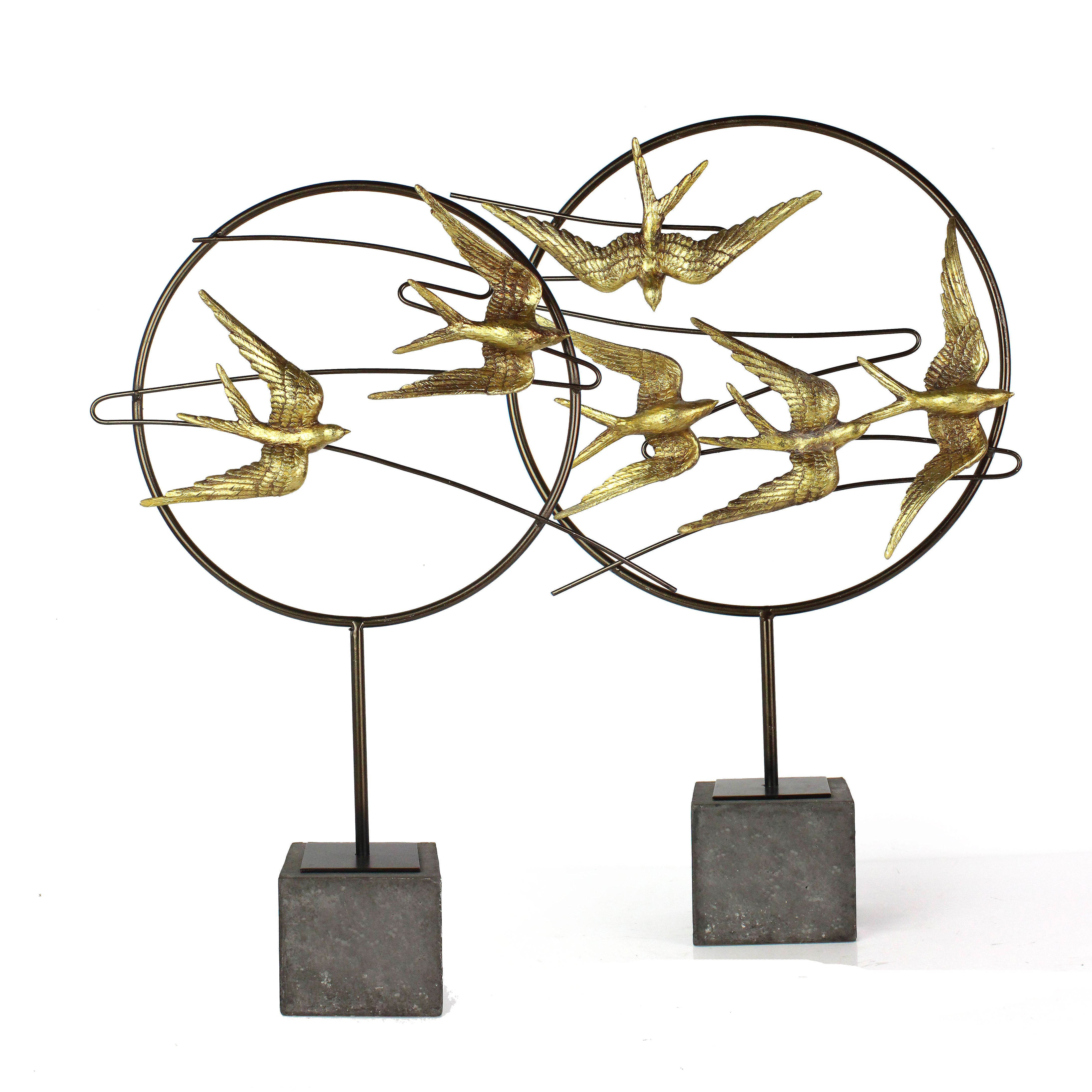
Why Small Sculpture Ornaments Are Essential Tabletop Design Elements
The Visual Psychology of Scale and Intimacy in Tabletop Composition
Small decorative sculptures create emotional bonds because they reflect how we naturally interact with things we can hold in our hands. Studies in environmental psychology indicate that objects on tables measuring less than twelve inches tend to make people feel more comfortable approaching them, which actually makes guests spend about forty percent more time in hotel lobbies and similar spaces. The reason for this has to do with how these items line up with where eyes typically rest when someone is sitting down, turning cold, empty surfaces into something that feels personally arranged. Interior designers take advantage of this concept all the time when creating little stories within a room. Think of a bronze statue placed next to some art books that draws people in for a closer look, or maybe an abstract ceramic piece that catches the eye because of the way it plays with empty space around it. What matters most isn't just size but rather careful placement. Something roughly six inches tall will stand out nicely against minimalist furniture arrangements without becoming too dominant visually.
How Sculpture Ornaments Anchor Vignettes and Guide the Eye
Ornamental sculptures act as markers in tabletop narratives. Placing them at triangle-shaped spots on surfaces creates rhythm and balance. Some research from last year suggests this layout helps people remember spatial arrangements better, maybe around 30% improvement. Take for instance a glass sphere sitting between two slender candlesticks that hold everything together visually. Tall items naturally draw eyes upwards, creating order rather than clutter. This matters especially in places like hotel receptions where random groupings just confuse guests. The way these pieces are arranged works with how we see things peripherally too. Sharp edged decorations tend to point the gaze towards logos or marketing displays, whereas rounder shapes help transition smoothly from one object to another, say from a tablet computer to a call button for room service.
Curating Cohesive Tabletop Vignettes with Sculpture Ornaments
The Rule of Three: Balancing Sculpture Ornaments with Texture and Height
When arranging sculptures, going with three different pieces actually works better than trying to match them all up. The brain likes odd numbers because they feel more natural somehow. Think about mixing heights too. Maybe put something tall and modern next to a medium sized nature inspired piece, then finish with something short and angular on the bottom. Textures matter just as much. A smooth marble statue looks great next to rough terracotta pottery, or maybe some shiny bronze mixed with hand painted ceramics adds interest. What matters most is making sure each item has its own space in the display without fighting for dominance. Good arrangements tell stories rather than just sitting there looking pretty.
Minimalist Precision vs. Maximalist Layering: A Practical Framework for Commercial Spaces
Minimalist design works wonders in corporate settings. A single piece of carefully selected decor placed on an executive desk or reception counter can say volumes about company values without saying anything at all. The clean lines and materials should match the brand's overall look, creating a sense of confidence and clarity throughout the space. On the flip side, hotels and restaurants usually do better with a more layered approach. Three to five sculptural items arranged with some overlap create a warm, inviting atmosphere in lounge areas or near entrance points. When designing these spaces, remember that form follows function. Sleek shapes work best where people need to concentrate, while textured, detailed pieces help transform waiting areas into comfortable retreats. Keep walkways open and make sure people can actually reach what they need. Good design isn't about cramming everything in but knowing exactly what makes a space come alive.
Selecting Durable, On-Brand Sculpture Ornaments by Material and Proportion
Bronze, Ceramic, and Resin: Performance, Perception, and Placement Guidelines
What materials we choose makes all the difference when it comes to how long things last, what people think about them, and where they end up placed around a space. Take bronze for instance. It lasts forever basically and has this air of class about it. That's why it works so well in places where everyone can see it, like on those fancy executive desks or in boardrooms. The way it changes color over time just screams lasting value. Ceramic brings something different to the table though. It feels really authentic and warm to the touch, but needs to be kept safe from heavy traffic because it breaks easily. Resin is probably the most practical option for busy spots such as hotel lobbies or reception areas at co-working spaces. It holds up against impacts, costs less than other options, and lets designers get creative with shapes and colors. When thinking about weight matters too. Heavy bronze keeps big tables steady, while light resin allows furniture to be moved around freely. Brands should pick finishes that match their overall style. Warm metal tones scream luxury, matte resin looks super modern, and ceramics with visible maker marks tell customers someone actually made these by hand.
Scaling Sculpture Ornaments Across Client Environments: From Executive Desks to Hotel Lobbies
The way we scale objects really needs to match what the space does and how people actually use it. Small items around 12 inches work great on executive desks because they bring character and reflect the company's identity while still leaving plenty of room for work stuff and maintaining that professional look. When looking at hotel lobbies though, bigger is better. Think about those landmark pieces over 36 inches tall that help guests find their way around, scream luxury, and serve as focal points in these big open spaces. Some studies suggest that when decorations are the right size, they can make a space feel worth 27% more money. Getting proportions right matters a lot too. Flat, low designs sit nicely behind reception areas and sideboards, whereas tall, stretching shapes catch attention in grand entryways or those high-ceilinged atriums. Applying this kind of thoughtful scaling throughout different environments helps maintain a strong brand presence wherever customers interact with the space.
FAQ
What are some benefits of using small sculpture ornaments in tabletop design?
Small sculpture ornaments create emotional bonds, making spaces more inviting and comfortable. They help guests spend more time in places like hotel lobbies, reflecting a personally arranged space.
How should sculpture ornaments be arranged?
Sculpture ornaments should be placed in triangular spots for rhythm and balance, helping with spatial memory. Use different heights and textures for a cohesive arrangement.
Which materials are best for sculpture ornaments?
Bronze is durable and classy, ceramic feels authentic but is fragile, while resin is practical for busy spots due to impact resistance and affordability.
How do sculpture ornaments enhance commercial spaces?
Incorporating sculpture ornaments in commercial spaces like corporate settings or hotels helps represent company values and creates inviting atmospheres.
Table of Contents
- Why Small Sculpture Ornaments Are Essential Tabletop Design Elements
- Curating Cohesive Tabletop Vignettes with Sculpture Ornaments
- Selecting Durable, On-Brand Sculpture Ornaments by Material and Proportion
- Scaling Sculpture Ornaments Across Client Environments: From Executive Desks to Hotel Lobbies
- FAQ