
 EN
EN
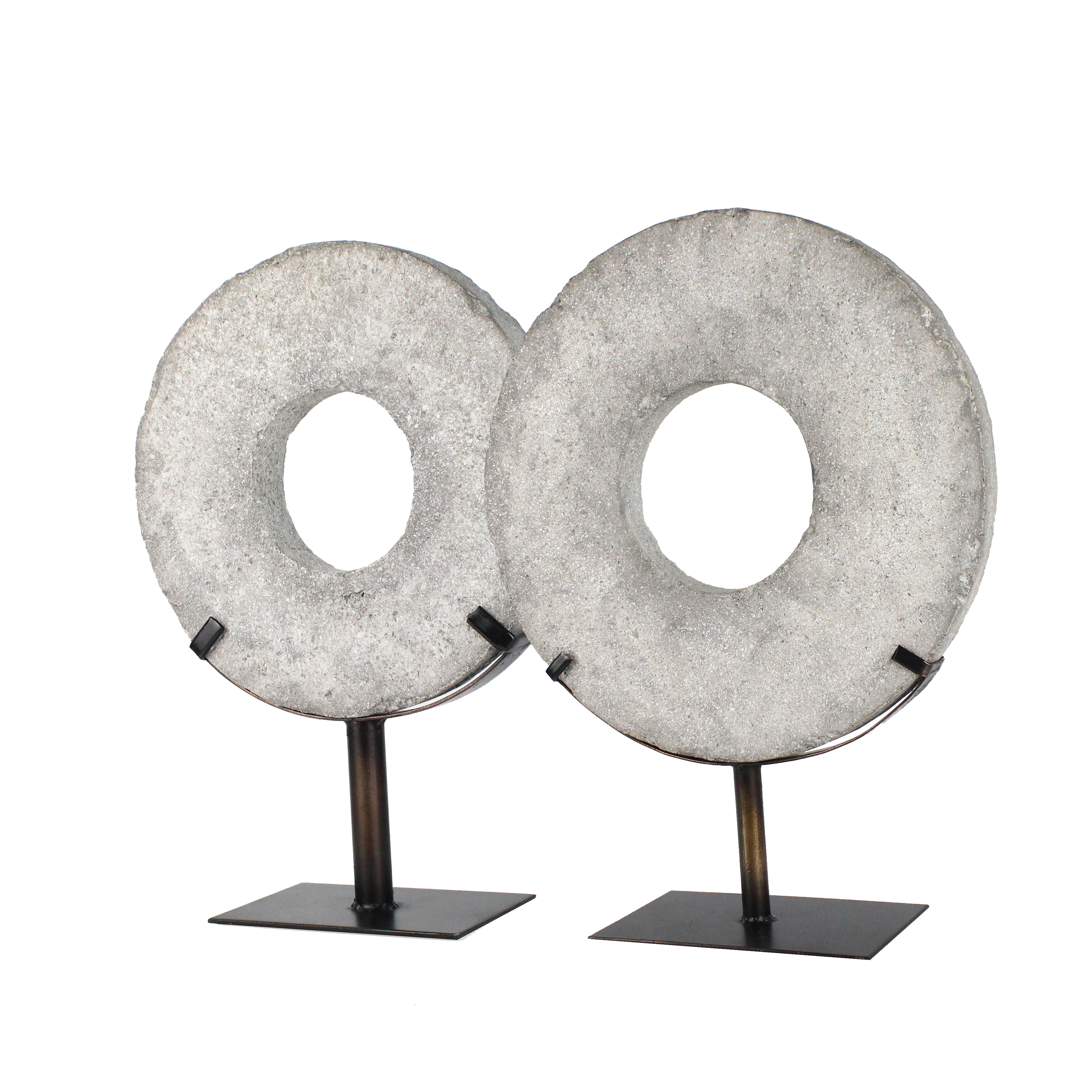
Stone Sculpture Ornaments: Durability, Tradition, and Modern Adaptation
Marble, Limestone, and Alabaster: Aesthetic Qualities and Ornamental Applications
Stone sculptures have always relied on natural materials known for their lasting beauty and ability to express artistic ideas. Take marble for instance - those beautiful grains and glowing veins make it perfect for classic relief work on buildings and garden statues. The numbers tell part of the story too: around 15k to 30k psi compression strength and barely any water absorption (less than half a percent in good quality stuff). That means marble looks great but also holds up well structurally. Limestone works differently. Its softer texture makes it easier to carve detailed things like flower motifs or decorative fireplace frames. While not as strong as marble, limestone actually gains character over time through a kind of natural protection layer called patina. Studies show it erodes at less than 1mm per hundred years in normal weather conditions. Then there's alabaster, which is totally different from the others because of its almost waxy transparency. This property lets light pass through softly when used in lamp designs or small figures, creating these lovely glow effects. But watch out! Alabaster needs gentle treatment since it breaks easily compared to other stones.
| Stone Type | Texture | Workability | Common Ornamental Uses |
|---|---|---|---|
| Marble | Fine-grained, polished | Moderate carving difficulty | Architectural reliefs, garden statues |
| Limestone | Uniform, matte | Easier to carve | Wall medallions, fireplace surrounds |
| Alabaster | Waxy, translucent | Delicate handling required | Lamps, decorative figurines |
Color variation—from Carrara’s pure white to amber-hued alabaster—adds bespoke character without compromising material integrity.
Outdoor Performance & Longevity: Weathering Resistance Data and Real-World Examples
Stone works really well outside for both looks and practical reasons. Take a look at how long lasting stone can be. The sculptures in Chicago's Millennium Park made from limestone and granite have been standing there since 2004 despite all those freeze-thaw cycles along Lake Michigan and dealing with city pollution too. They still look pretty good after all these years. What makes stone so durable? Well, it has strong compression properties, doesn't soak up much water, and stands up against sunlight without fading colors over time. With proper installation and regular maintenance, especially when using newer breathable sealants in areas where humidity runs high or acid rain is common, stone decorations can last generations. We've seen them survive in everything from busy public squares to quiet backyard gardens for over 100 years sometimes.
Metal Sculpture Ornaments: Strength, Craftsmanship, and Architectural Integration
Bronze and Lost-Wax Casting: Time-Honored Techniques Driving Value and Permanence
For outdoor sculptures that need to last forever, bronze still stands out as the go to material because it holds up really well against weather and maintains intricate details that other materials just can't match. The ancient lost wax method has been around since way back when people first started making metal statues thousands of years ago, allowing artists to capture even the tiniest surface features and complicated shapes. After being made, bronze develops this protective layer on its own called a patina that actually gets better looking with age while keeping the metal safe from rust and decay. That's why we see so many bronzes standing tall in cities across Europe. According to research done recently, almost eight out of ten public artworks surviving today in major European capitals are bronze creations. Beyond durability, there's something about how heavy bronze feels and sounds when struck that makes it particularly appropriate for government buildings, war memorials, and places where history matters most.
Stainless Steel, Aluminum, and Wire Forms: Lightweight, Contemporary Solutions for Facade and Interior Sculpture Ornaments
Modern buildings are going metal crazy these days, looking for materials that pack serious strength but still let architects play around creatively. Take stainless steel for instance it just doesn't rust away like other metals and basically takes care of itself forever. That makes it perfect for those fancy decorations on skyscrapers that get hammered daily by rain blown sideways and salty coastal air. Aluminum? Well, it weighs about 40 percent less than bronze does, which means designers can create massive overhanging structures without needing extra support beams everywhere. Plus, aluminum surfaces take on all sorts of colorful powder coatings that last ages, letting architects match their creations to whatever environment they're working in. Wire sculptures made from either stainless or aluminum wire have become pretty popular inside buildings too. These lightweight pieces create interesting spaces where light filters through in cool ways, making rooms feel bigger somehow. And there's something else worth mentioning sustainability factor. When artists recycle aluminum instead of using brand new stuff, they cut down on energy consumption by nearly 95%. Makes sense why so many eco-conscious builders are jumping on this bandwagon these days.
Clay and Polymer-Based Sculpture Ornaments: Studio Flexibility and Scalable Production
Terracotta, Air-Dry Clay, and Polymer Clay: Workability, Finish Options, and Niche Market Appeal
Different types of clay work really well for all sorts of projects big and small, whether someone is making something by hand in their studio or creating mass produced decorative items. Terracotta has just enough give to let potters build things without collapsing, and when it gets fired, the material soaks up glazes beautifully or shows off those warm earth colors naturally. That's why so many outdoor planters and garden decorations are made from terracotta. Air dry clay takes things even simpler since it doesn't need a kiln at all. Great stuff for schools, quick prototypes, or hobbyists wanting to try their hand at sculpting. Just paint it with acrylics and seal it up, and voila! A lasting piece that looks great. For super detailed work, polymer clay is hard to beat. The stuff stays put when baked, handles sanding like a champ, and drill holes through it without issues. Miniature makers and jewelry creators love working with this stuff. Plus, coming already colored saves tons of time during production runs.
| Material | Workability Traits | Primary Finish Options | Niche Applications |
|---|---|---|---|
| Terracotta | Moderate plasticity, holds form | Glazed, unglazed earth tones | Architectural garden ornaments |
| Air-dry clay | Soft texture, fast manipulation | Painted, varnished surfaces | Children’s crafts, DIY markets |
| Polymer clay | Fine detail retention | Pre-colored, polished finishes | Miniature figurines, wearables |
Studio artists value clay’s reworkability before setting; small-batch producers leverage polymer variants for repeatable, scalable output—fueling growth in artisanal gift and wellness-focused interior markets.
Material Selection Criteria for Professional Sculpture Ornaments
Choosing the right material for decorative sculptures involves looking at several connected factors. For pieces that will stand outside, durability matters most. Bronze and stainless steel hold up really well over time, keeping around 95% of their strength even after half a century outdoors according to some recent conservation reports. Limestone works better when sealed properly, especially where there's lots of moisture or acid rain. What the sculpture looks like is another big consideration. Marble has those beautiful veins that make it great for classic designs, while powder coated aluminum lets artists go wild with bright colors for modern styles. Money talks too. Bronze costs about $300 per kilogram compared to just $25 for polymer clay, though fiberglass sits somewhere in between and makes sense for bigger projects that don't need much support weight wise. How easy something is to install plays a role as well. Stone is heavy stuff requiring strong bases or special anchors, but lighter materials like resin or aluminum can be mounted on ceilings or added later without major construction work. Artists working on public spaces often look for pigments that won't fade under sunlight and materials that are safe for places like hospitals, schools, and homes where people actually live.
FAQ Section
Q1: What are the main factors to consider when selecting materials for sculpture ornaments?
When choosing materials for sculpture ornaments, consider durability, aesthetic qualities, cost, and ease of installation, especially for outdoor settings.
Q2: Why is bronze a popular choice for outdoor sculptures?
Bronze is favored for outdoor sculptures due to its durability, ability to maintain intricate details, and its development of a protective patina over time.
Q3: How does aluminum contribute to sustainable sculpture practices?
Recycling aluminum reduces energy consumption by nearly 95%, making it a sustainable option for sculpture practices.
Q4: Which clay types are best suited for detailed work in sculpture?
Polymer clay is ideal for detailed work, as it retains fine details, can be drilled, and comes pre-colored.
Table of Contents
- Stone Sculpture Ornaments: Durability, Tradition, and Modern Adaptation
- Metal Sculpture Ornaments: Strength, Craftsmanship, and Architectural Integration
- Clay and Polymer-Based Sculpture Ornaments: Studio Flexibility and Scalable Production
- Material Selection Criteria for Professional Sculpture Ornaments